18K vs 14K Gold: Which Is Better for Fine Jewelry?
When shopping for fine jewelry, one of the first technical details you will encounter is the karat of the gold. The 18k vs 14k gold question comes up constantly: is 18k really better, or is 14k a smarter choice for everyday wear? The answer depends on what you value most: color, purity, durability or budget.
This guide explains what the numbers mean, how the two alloys differ in practice and why fine jewelry houses, particularly in Europe, favor 18k gold.
What Do 18K and 14K Mean?
The karat system measures gold purity on a scale of 24 parts. Pure gold is 24 karats. 18k gold contains 18 parts gold out of 24, which means 75% pure gold. 14k gold contains 14 parts out of 24, about 58.5% pure gold. The rest of the alloy is made of other metals, such as silver, copper, palladium or zinc, which give the gold strength and determine its color. For a deeper dive, read what 18k gold is and why it matters.
Hallmarks
In Europe, gold purity is often expressed in thousandths: 18k gold is stamped 750, and 14k gold is stamped 585. These hallmarks are a guarantee of the metal's composition.
18K vs 14K Gold: Side-by-Side Comparison
Color
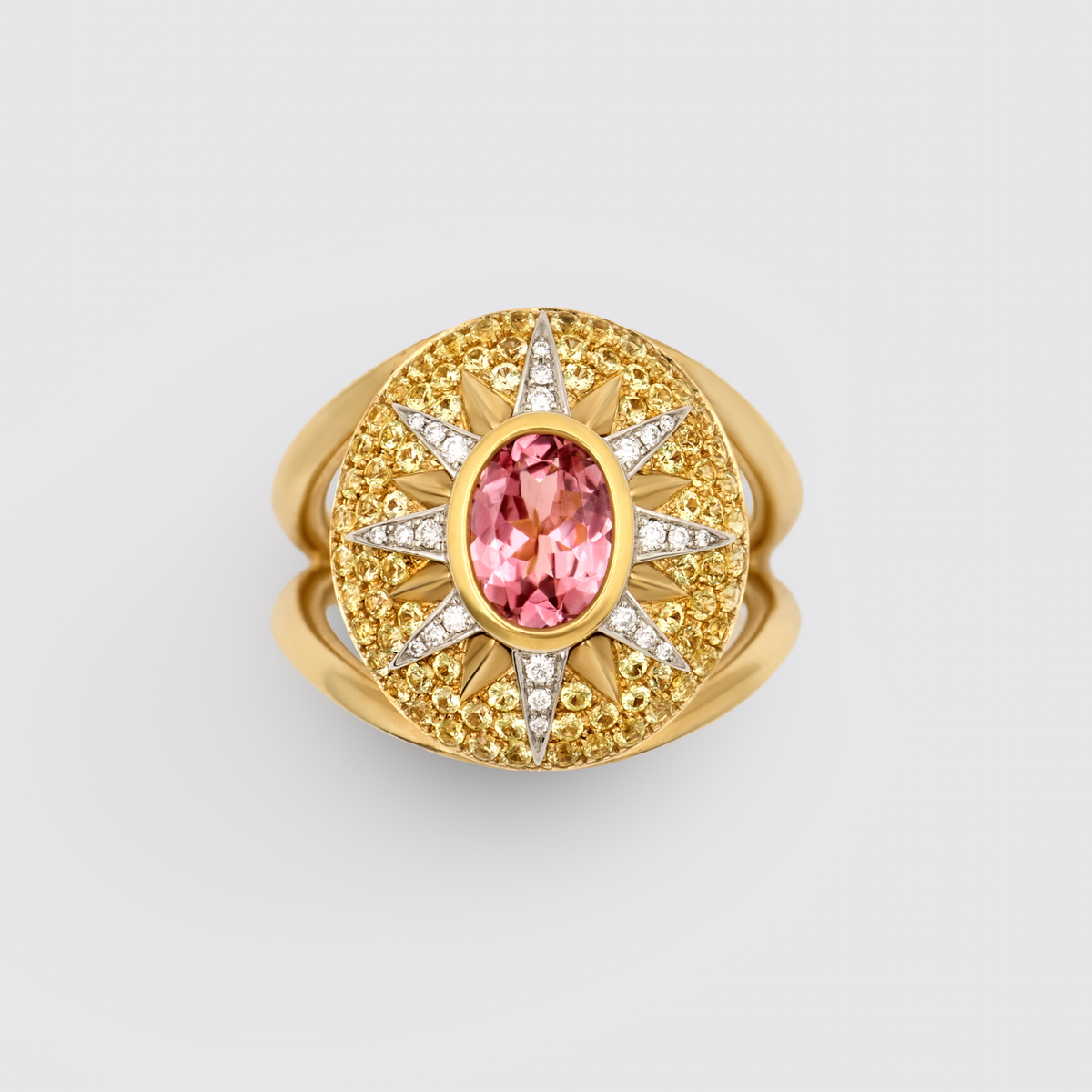
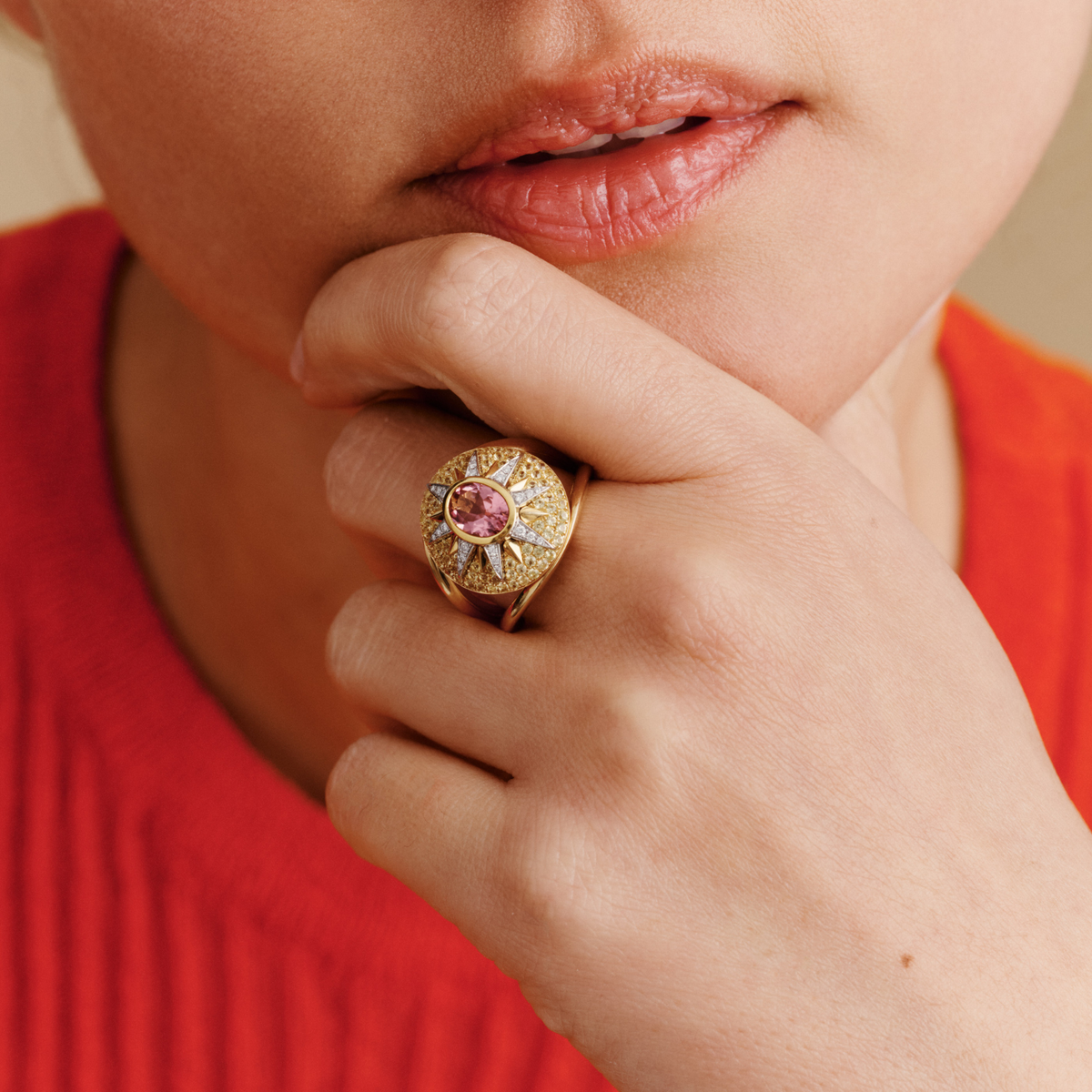
Because it contains more pure gold, 18k yellow gold has a richer, warmer and more saturated color. 14k yellow gold looks slightly paler. The difference is visible when the two are side by side, and it matters particularly around colored gemstones, where a rich gold enhances warm stones. Our guide on yellow gold vs white gold for colored gemstones explains how metal color affects stones.
Durability
Pure gold is soft. The higher proportion of alloy metals makes 14k gold slightly harder and more resistant to scratches than 18k. In practice, 18k gold is perfectly suited to fine jewelry worn daily, provided the design is well made and the piece is treated with reasonable care. A well-constructed 18k piece will last for generations.
Skin Sensitivity
Some people react to certain alloy metals, particularly nickel, which may be present in some white gold alloys. Because 18k gold contains a higher proportion of pure gold, it is generally better tolerated by sensitive skin than lower karats.
Value
18k gold contains more gold, so its intrinsic value is higher. This is reflected in the price but also in the perceived quality and longevity of the piece. 14k gold is more accessible and very common in the United States, while 18k is the reference in European fine jewelry.
Weight and Feel
With a higher gold content, 18k gold is denser. A piece of the same design will feel slightly heavier and more substantial in 18k, which many associate with luxury.
Which Gold Is Best for Which Piece?
Fine Chains and Layering
For fine chains, 18k gold offers a warm, luminous glow that makes even the most delicate chain feel precious. The yellow gold micro cable chain necklace and the paperclip chain necklace in white gold are designed to be worn every day and layered. Discover our layering necklaces.
Bracelets
Bracelets are exposed to frequent contact with surfaces. A well-constructed link in 18k gold, like the paperclip chain bracelet in yellow gold or its rose gold version, combines richness and strength. See our gold bracelets.
Gemstone Jewelry
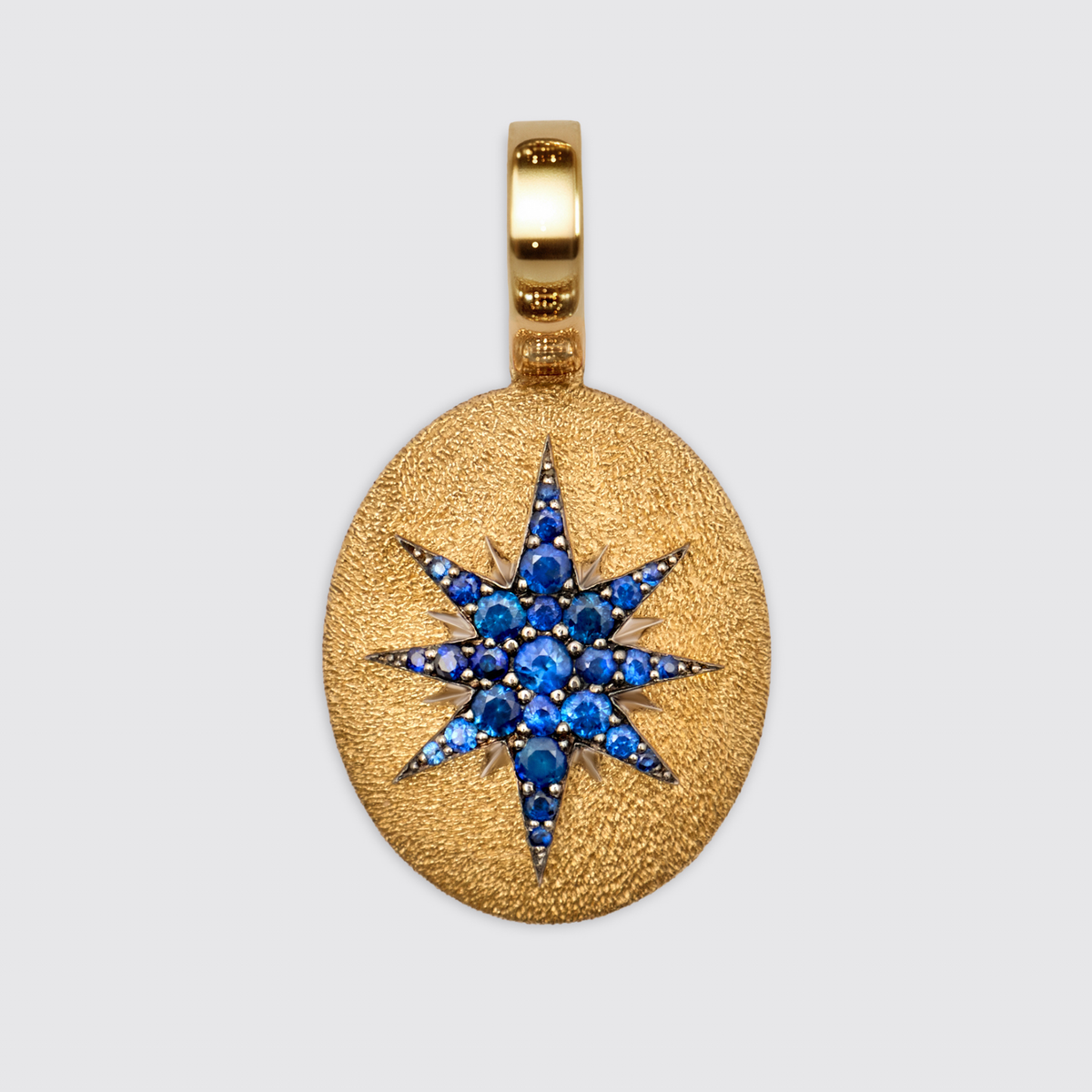
For pieces set with colored gemstones, 18k gold is the natural choice in fine jewelry. Its richer color enhances the stones and its purity reflects the value of the gems it holds. All pieces of the Crush Nova collection are crafted in 18k gold, such as the tanzanite and blue sapphire pendant.
What About Rose and White Gold?
The karat and the color are two separate things. Rose gold owes its color to a higher proportion of copper in the alloy, and white gold to white metals such as palladium, often finished with a rhodium plating for extra brightness. Both exist in 18k and 14k. In 18k, rose gold has a softer, more refined pink, and white gold a warmer undertone beneath its plating.
How to Care for 18K Gold
Clean 18k gold jewelry regularly with lukewarm water, mild soap and a soft brush, then dry with a soft cloth. Remove your jewelry for sports, swimming and household chores, and store each piece separately to avoid scratches. White gold may need re-plating after a few years to restore its brightness. See our care guide for details.
How to Decide
If your priority is budget and maximum scratch resistance, 14k gold is a reasonable choice. If you are looking for a piece to keep for a lifetime, with a richer color, higher intrinsic value and better skin tolerance, 18k gold is the reference of fine jewelry. For more buying advice, read our guide to buying your first high-end fine jewelry and browse the full collection.
Summary
18k gold contains 75% pure gold, 14k gold about 58.5%. 18k offers a richer color, higher intrinsic value, a more substantial feel and better tolerance for sensitive skin, while 14k is slightly harder and more affordable. For fine jewelry designed to last, especially pieces set with colored gemstones, 18k gold remains the reference, as long as the piece is well made and cared for.