What is 18K Gold and Why It Matters for Fine Jewelry Investment
When investing in fine jewelry, understanding what is 18k gold becomes essential to making informed decisions that balance beauty, durability, and long-term value. This precious metal alloy represents the gold standard in luxury jewelry, chosen exclusively by prestigious maisons for its optimal blend of purity, strength, and timeless appeal. Unlike lower-karat alternatives, 18k gold delivers the rich color and lustrous finish that sophisticated collectors expect from heirloom-quality pieces.
Whether you're acquiring your first investment piece or building a curated collection, the choice of metal foundation directly impacts both the wearability and future value of your jewelry. From composition to hallmarking standards, this comprehensive guide reveals why 18k gold remains the preferred choice for exceptional gemstone settings and enduring craftsmanship.
Understanding 18K Gold Composition: The 75% Purity Standard
At its core, 18k gold contains precisely 75% pure gold (fine gold) combined with 25% alloy metals. This ratio is expressed as 18 parts gold out of 24 possible parts, hence the term "18 karat." The remaining quarter consists of carefully selected metals such as copper, silver, palladium, or zinc, chosen to enhance specific properties while preserving the metal's noble characteristics.
This 750 parts per thousand purity (stamped as "750" on hallmarks) represents a deliberate balance perfected over centuries of goldsmithing. Pure 24k gold, while beautiful, is too soft for secure gemstone settings and everyday wear. The 25% alloy addition transforms gold into a durable foundation capable of supporting precious stones weighing several carats while maintaining structural integrity through years of wear.
The selection of alloying metals serves multiple purposes beyond strength. These additions influence the final color, affect melting temperatures during fabrication, and determine how the metal responds to polishing and finishing techniques. Master jewelers carefully calibrate these alloy formulas to achieve specific aesthetic and performance characteristics demanded by high-end jewelry creation.
The Three Expressions of 18K Gold: Yellow, Rose, and White
18K Yellow Gold: Classic Warmth and Timeless Elegance
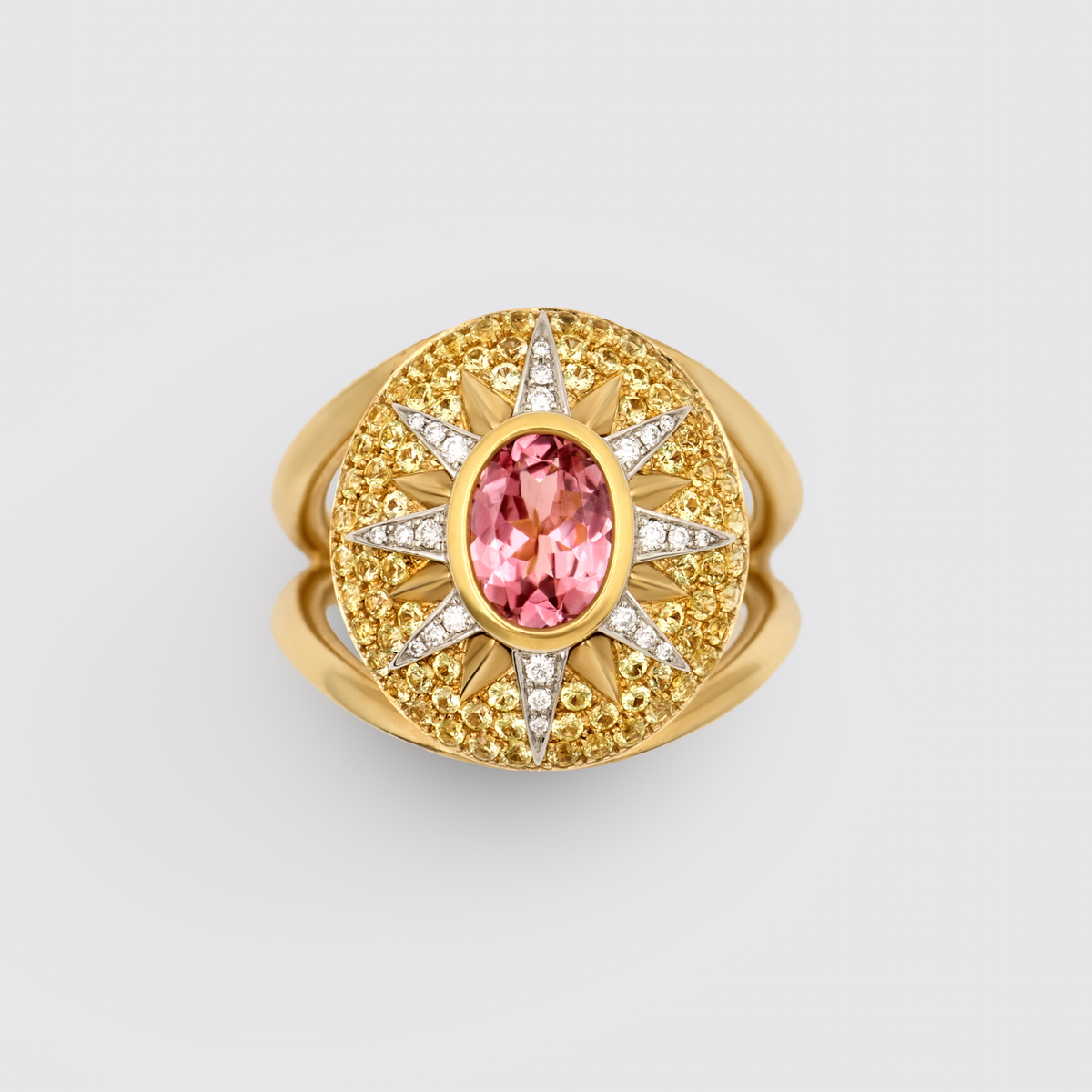
Traditional 18k yellow gold maintains the warm, sun-kissed hue most associated with fine jewelry. Its alloy typically combines silver and copper in balanced proportions, creating that recognizable golden glow that has captivated collectors for millennia. This expression offers the closest visual connection to pure gold while delivering practical wearability.
Yellow gold provides exceptional versatility for gemstone pairings, complementing both warm-toned stones like tsavorites and spessartites, and cool-toned gems such as blue sapphires and tanzanites. The Paperclip Chain Necklace in Yellow Gold exemplifies how this classic metal creates a luminous foundation for both standalone pieces and layered compositions.
18K Rose Gold: Romantic Femininity with Modern Appeal
Rose gold achieves its distinctive blush tone through a higher copper content in the alloy blend. This creates a warmer, pinkish hue that has surged in popularity for its ultra-feminine aesthetic and flattering warmth against diverse skin tones. The copper addition also marginally increases hardness compared to yellow gold.
This expression pairs beautifully with pink-spectrum gemstones, creating harmonious tonal stories. Contemporary designers favor rose gold for pieces like the Crush Stella Pendant with Pink Sapphires, where the metal's rosy warmth amplifies the gemstones' vibrant color saturation.
18K White Gold: Cool Sophistication and Diamond Brilliance
White gold combines pure gold with palladium, nickel, or platinum-group metals to neutralize yellow tones, creating a silvery-white appearance. Most white gold jewelry receives rhodium plating to enhance its brightness and provide additional scratch resistance, though the underlying 18k alloy itself maintains a soft white-grey color.
This expression offers a contemporary alternative to platinum at a more accessible price point, while delivering similar visual coolness that maximizes diamond fire and brilliance. The Paperclip Chain Necklace in White Gold demonstrates how this metal choice creates sleek, modern foundations for gemstone jewelry.
Why 18K Gold Surpasses 14K and 22K for Investment Jewelry
The karat spectrum presents distinct trade-offs between purity, durability, and value retention. Understanding these differences clarifies why discerning collectors and luxury houses converge on the 18k standard for heirloom-quality creations.
Advantages over 14K gold (58.3% purity):
Richer, more saturated color that better reflects pure gold's natural warmth
Higher intrinsic metal value, ensuring better long-term investment retention
Superior hypoallergenic properties with less reactive alloy content
Greater prestige and alignment with luxury jewelry house standards
Enhanced compatibility with high-value gemstones and sophisticated settings
While 14k gold offers increased durability through higher alloy content, this comes at the cost of color vibrancy and purity. For pieces designed to showcase exceptional colored gemstones or serve as multi-generational heirlooms, the marginal durability gain fails to justify the compromise in precious metal content.
Advantages over 22K gold (91.6% purity):
Significantly greater structural strength for secure gemstone settings
Reduced susceptibility to scratching and deformation during daily wear
Better shape retention for intricate designs and delicate details
Practical wearability without excessive maintenance requirements
Though 22k gold delivers exceptional purity and investment value for bullion-oriented jewelry, its softness makes it impractical for pieces featuring important gemstones or complex architectural designs. The metal's tendency to bend and scratch limits its suitability for the refined craftsmanship expected in contemporary fine jewelry.
Hypoallergenic Properties and Everyday Wearability
One frequently overlooked advantage of 18k gold involves its superior biocompatibility compared to lower-karat alternatives. The higher gold content means fewer reactive alloy metals contact the skin, significantly reducing the likelihood of allergic reactions or sensitivity issues.
Individuals who experience irritation from 14k or 10k gold often find 18k gold perfectly comfortable for continuous wear. This becomes particularly important for pieces like bracelets and necklaces that maintain constant skin contact. The Paperclip Chain Bracelet in Yellow Gold exemplifies jewelry designed for effortless daily wear without compromising skin comfort.
The 18k standard also delivers optimal durability for jewelry featuring precious gemstones. Settings must provide secure yet flexible prongs that hold stones firmly while absorbing minor impacts without transferring stress to the gems themselves. This balance proves crucial for pieces showcasing delicate stones or intricate pavé work, where metal strength directly impacts long-term structural integrity.
Daily wearability extends beyond physical durability to include maintenance requirements. 18k gold develops a subtle patina over time rather than tarnishing, and it responds beautifully to professional cleaning and polishing. This forgiving nature allows jewelry to accompany you through life's moments while maintaining its luminous finish with minimal intervention.
Value Retention and Investment Perspective
From a pure investment standpoint, 18k gold offers compelling advantages for wealth preservation through wearable assets. The 75% precious metal content ensures that even if fashion preferences shift, the intrinsic material value remains substantial and globally recognized.
Unlike gold-plated or vermeil jewelry where only a microscopic gold layer provides aesthetic value, solid 18k pieces contain significant precious metal throughout their entire structure. This fundamental difference becomes apparent when considering resale value, estate valuation, or potential metal reclamation scenarios.
The global gold market's liquidity means 18k jewelry maintains consistent underlying value regardless of geographic location or economic conditions. Major auction houses, estate buyers, and specialized jewelry dealers universally recognize and accurately assess 18k gold content, ensuring transparent valuation processes.
Additionally, 18k gold's prestige positioning aligns with the caliber of gemstones typically featured in investment-grade jewelry. A five-carat Kashmir sapphire or Burmese ruby deserves a setting that matches its significance. Pairing exceptional stones with lower-karat gold creates an incongruous combination that sophisticated collectors immediately recognize as inconsistent with true luxury standards.
Hallmarking Standards and Authenticity Verification
Legitimate 18k gold jewelry carries specific hallmarks that confirm its precious metal content and often identify the manufacturer or assay office that verified its composition. Understanding these marks empowers buyers to verify authenticity and avoid misrepresented pieces.
Common 18k gold hallmarks include:
"18K" or "18Kt" stamped directly on the metal
"750" indicating 750 parts per thousand pure gold
Maker's marks identifying the jewelry house or artisan
Country marks from official assay offices (common in European jewelry)
Date letters indicating year of manufacture (in some hallmarking systems)
These marks typically appear in discreet locations that preserve aesthetic integrity while providing necessary documentation. On rings, hallmarks usually appear inside the band; on necklaces and bracelets, they're often stamped on clasps or small identity plates integrated into the design.
When acquiring significant pieces, particularly from secondary markets or unfamiliar sources, professional verification through a qualified gemologist or assay office provides definitive confirmation. X-ray fluorescence (XRF) analysis offers non-destructive testing that precisely measures gold content without damaging the piece.
Reputable jewelry houses maintain consistent hallmarking practices and provide documentation confirming metal content and specifications. This transparency reflects confidence in materials and craftsmanship while establishing provenance that enhances long-term value.
Why Luxury Jewelry Houses Exclusively Choose 18K Gold
The world's most prestigious jewelry maisons maintain unwavering commitment to 18k gold as their standard precious metal. This consistency reflects both practical considerations and philosophical alignment with luxury positioning.
From a craftsmanship perspective, 18k gold offers master jewelers the ideal canvas for realizing complex designs. The metal's workability allows for intricate hand-finishing, precise stone-setting, and architectural innovations impossible with harder or softer alloys. Techniques like hand-engraving, milgrain detailing, and invisible settings demand the specific properties that 18k gold delivers.
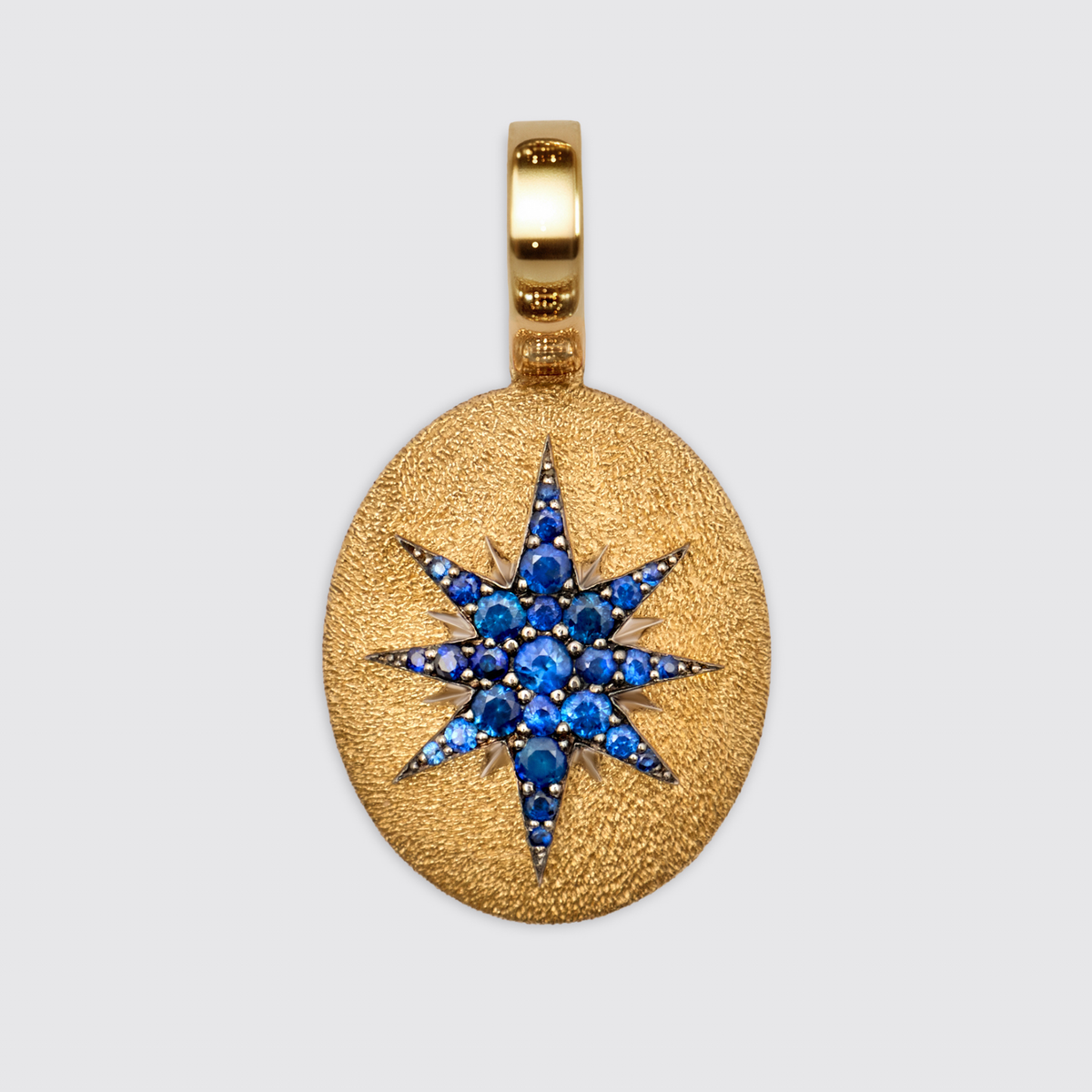
The color depth achievable with 18k gold proves essential for jewelry designed to complement exceptional gemstones. A vibrant tsavorite garnet or electric-blue tanzanite requires a metal foundation that enhances rather than competes with the stone's natural beauty. The Crush Stella Pendant with Tsavorites demonstrates how 18k yellow gold amplifies the vivid green fire of these rare garnets.
Beyond technical advantages, 18k gold carries symbolic weight in luxury markets. It signals uncompromising quality standards and positions pieces as serious investments rather than fashion accessories. This positioning proves essential for jewelry designed to transcend trends and serve as multi-generational heirlooms.
The choice of 18k gold also reflects respect for traditional jewelry-making wisdom accumulated over centuries. While modern alloys and alternative metals offer certain advantages, they lack the proven longevity and universal value recognition that 18k gold has demonstrated across cultures and historical periods.
Caring for Your 18K Gold Investment
Proper maintenance ensures your 18k gold jewelry retains its beauty and structural integrity across decades of wear. While this precious metal proves remarkably durable, thoughtful care practices maximize its longevity and appearance.
Store pieces separately in soft pouches or lined compartments to prevent surface scratching from contact with other jewelry. Though 18k gold resists tarnishing, it can develop light surface scratches through daily wear, particularly on high-contact areas like bracelet links or ring bands.
Remove jewelry before engaging in activities involving harsh chemicals, including household cleaning products, chlorinated pools, or beauty treatments. While gold itself proves chemically stable, certain alloy metals may react to specific compounds, and gemstone settings can loosen through repeated chemical exposure.
Professional cleaning and inspection annually ensures optimal condition. Jewelers examine prong security, check for wear patterns that might require attention, and restore polished finishes through expert techniques. This preventive maintenance proves far more cost-effective than addressing issues after they compromise stone security or structural integrity.
For daily cleaning at home, gentle dish soap and warm water with a soft brush safely removes accumulated oils and debris. Avoid ultrasonic cleaners unless you've confirmed compatibility with any gemstones in your piece, as certain stones prove sensitive to vibration or heat.
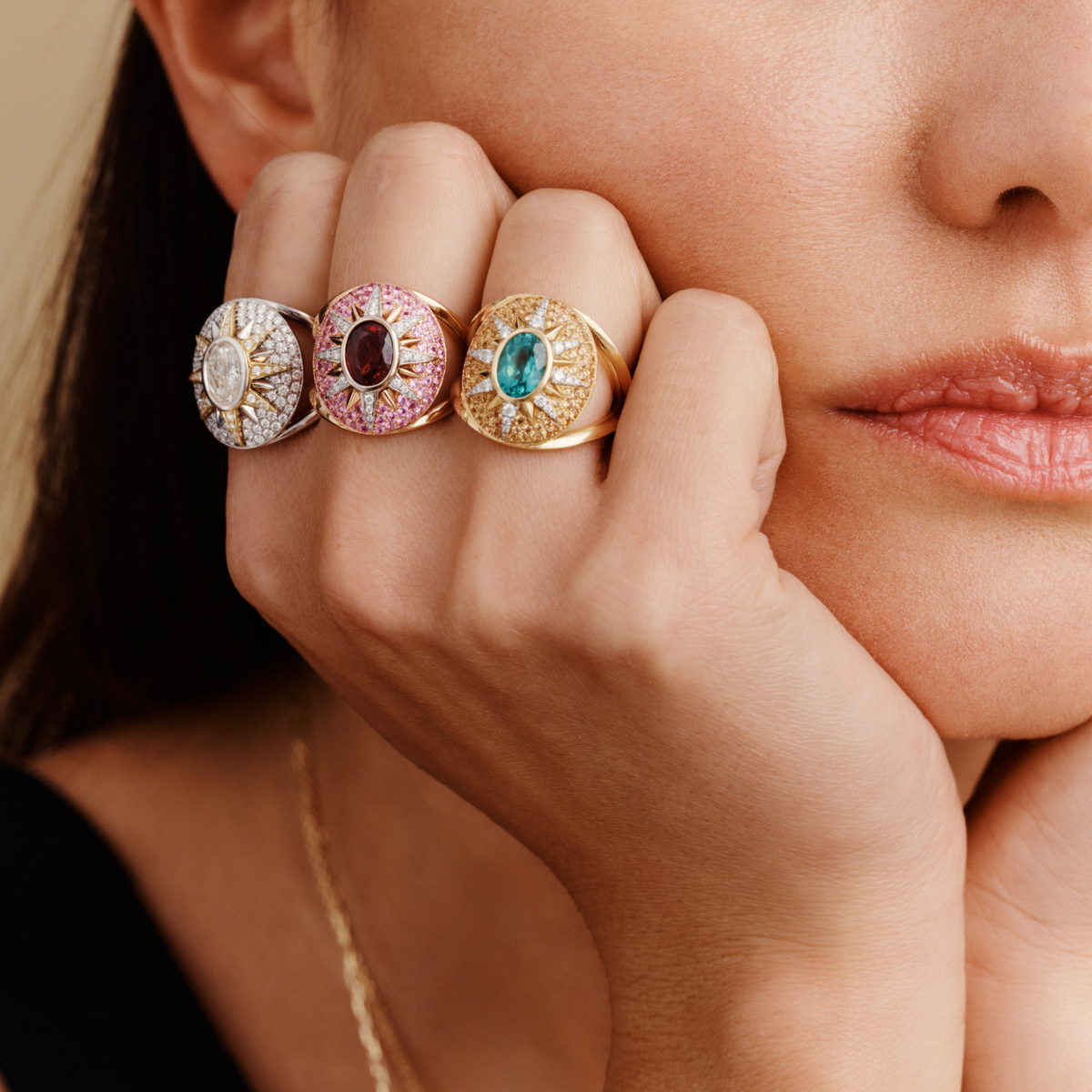
When wearing multiple pieces, consider metal mixing thoughtfully. While combining 18k yellow, rose, and white gold creates beautiful layered looks, harder metals like platinum or stainless steel can gradually wear against softer 18k gold through repeated contact.
Conclusion: The Enduring Wisdom of 18K Gold
Understanding what is 18k gold reveals why this precious metal alloy has maintained its position as the definitive choice for serious jewelry collectors and luxury houses. Its 75% purity delivers the optimal balance of beauty, durability, and investment value that lower or higher karat alternatives cannot match.
Whether you choose the classic warmth of yellow gold, the romantic blush of rose, or the cool sophistication of white, 18k gold provides a worthy foundation for exceptional gemstones and timeless designs. Its superior hypoallergenic properties, proven longevity, and universal value recognition ensure that pieces crafted in this noble metal transcend temporary fashion to become genuine heirlooms.
As you build or refine your jewelry collection, prioritize pieces that honor traditional standards of excellence while expressing contemporary design vision. Explore how 18k gold in its various expressions can complement your personal style and serve as both aesthetic pleasure and tangible wealth preservation for generations to come.