The Ultimate Guide to Buying Your First High-End Fine Jewelry
Buying your first high-end fine jewelry piece is a milestone that deserves careful consideration. Unlike costume or fashion jewelry, fine jewelry represents both a significant financial investment and a potential heirloom that can be worn and cherished for decades. Whether you're celebrating a personal achievement, marking a life transition, or simply deciding to invest in yourself, this buying fine jewelry guide will equip you with the knowledge to make an informed, confident purchase that you'll treasure forever.
The world of luxury jewelry can feel overwhelming to first-time buyers. With terminology like GIA certification, 18k gold purity, gemstone grading, and price points ranging from several thousand to tens of thousands of dollars, it's essential to understand what you're actually paying for. This guide breaks down everything you need to know, from evaluating craftsmanship and materials to choosing between different styles and gemstone options, so you can navigate the fine jewelry market with the discernment of a seasoned collector.
Understanding Fine Jewelry: What Sets It Apart
Fine jewelry is distinguished by three defining characteristics: precious metal composition, genuine gemstones, and superior craftsmanship. The term "fine jewelry" specifically refers to pieces made with solid precious metals (gold, platinum, or palladium) rather than plated or filled alternatives, and set with natural gemstones or diamonds rather than synthetic or simulated stones.
The most common precious metal in fine jewelry is gold, which comes in various purities. 18k gold, containing 75% pure gold alloyed with 25% other metals for durability, represents the gold standard for high-end jewelry. It offers an ideal balance between luxurious gold content and practical wearability. Lower karats like 14k (58.5% gold) are more affordable but contain less precious metal, while 24k pure gold is too soft for most jewelry applications. When shopping at luxury price points, expect 18k gold as the baseline, and always look for hallmarks stamped inside the piece (750 for 18k, indicating 750 parts per thousand gold).
Beyond materials, fine jewelry is characterized by exceptional craftsmanship. Pieces should feature secure settings, smooth finishes, symmetrical designs, and meticulous attention to detail. Handcrafted jewelry, particularly pieces designed in atelier environments like Paris, often showcases superior artistry compared to mass-produced alternatives. The quality of workmanship directly impacts both the beauty and longevity of your investment.
The Essential Role of Gemstone Certification
When buying fine jewelry featuring diamonds or colored gemstones, certification from reputable gemological laboratories provides critical assurance of quality and value. The Gemological Institute of America (GIA) is considered the global gold standard for gemstone grading, offering the most consistent and reliable assessments in the industry.
For diamonds, GIA certification provides an objective evaluation of the Four Cs: carat weight, color grade, clarity grade, and cut quality. A GIA certificate acts as your diamond's fingerprint, documenting its exact characteristics and providing confidence that you're receiving what you're paying for. At high-end price points, GIA-certified diamonds are non-negotiable. Avoid jewelers who cannot provide independent certification or who rely on in-house grading, which may be inflated or inconsistent.
Colored gemstone certification is equally important but somewhat different. While GIA and other laboratories don't grade colored stones on the same standardized scale as diamonds, they do provide identification reports confirming the gemstone species, treatments, and origin. This documentation is particularly valuable for precious stones like sapphires, rubies, and emeralds, as well as collector gemstones like tanzanite, blue zircon, and fine tourmalines including rubellite and indicolite varieties. Knowing whether your gemstone has been heat-treated (common and acceptable for many species) or left untreated (rarer and often more valuable) is essential information that certification provides.
Red Flags: When Certification Is Absent or Questionable
Be immediately cautious of any jeweler at luxury price points who cannot provide independent gemological certification for significant diamonds or colored gemstones. Other warning signs include reluctance to discuss gemstone treatments, vague descriptions like "high quality" without specifics, or certificates from unknown or non-accredited laboratories. Reputable jewelers will proactively provide certification and welcome questions about gemstone quality and sourcing.
Evaluating Gemstone Quality: What to Look For
Understanding how to assess gemstone quality empowers you to make smart purchasing decisions, particularly when choosing between colored gemstones and diamonds for your first fine jewelry piece. While diamonds follow the standardized Four Cs, colored gemstones require a more nuanced evaluation focused on color intensity, clarity, cut quality, and size.
For colored gemstones, color is paramount. The most valuable stones exhibit vivid, saturated hues without being overly dark or excessively light. A fine blue sapphire, for example, should display a rich, intense blue that's immediately captivating, while a quality pink sapphire should show vibrant saturation rather than pale or washed-out tones. Similarly, rubellite tourmalines are prized for their saturated red-to-pink colors, tanzanites for their exceptional blue-violet hues, and tsavorites for their vivid green brilliance.
Clarity in colored gemstones is more forgiving than in diamonds. While eye-clean stones (no visible inclusions to the naked eye) command premium prices, many colored gemstones naturally contain inclusions that don't significantly detract from their beauty. The key question is whether inclusions impact durability or noticeably diminish the stone's appearance. A few silk-like inclusions in a sapphire or characteristic needle-like crystals in a tourmaline are often acceptable and even expected in natural stones.
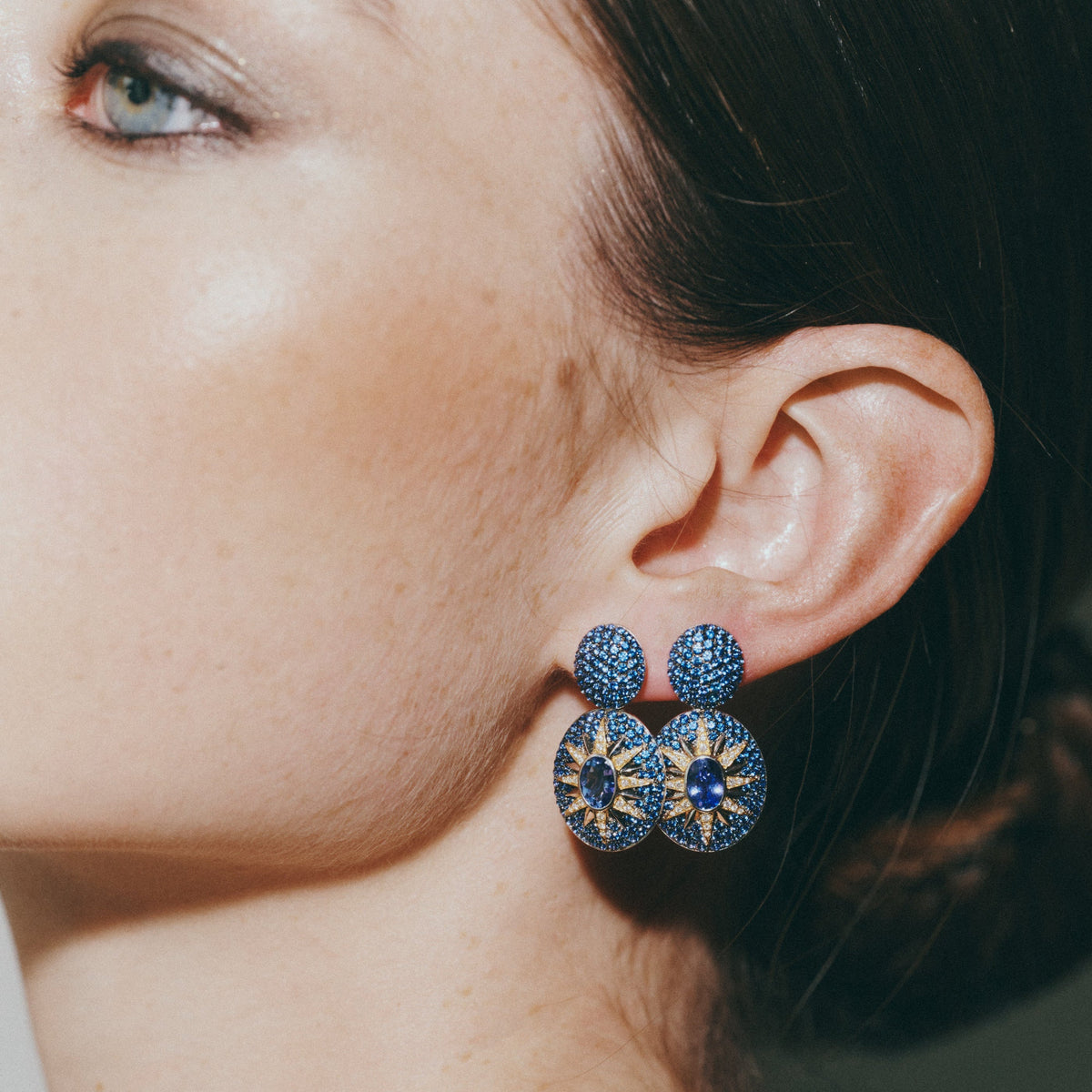
Cut quality dramatically affects a gemstone's beauty, regardless of species. A well-cut stone maximizes brilliance, fire, and color saturation, while a poorly cut gem appears lifeless even if the rough material was exceptional. Look for symmetrical faceting, good proportions, and stones that return light brilliantly when moved under lighting. The signature 16-point star motif found in designs like the Crush Nova Earrings with Blue Zircon and Pink Sapphires exemplifies how thoughtful design can maximize a gemstone's optical properties.
Colored Gemstones vs. Diamonds: Making Your Choice
Deciding between colored gemstones and diamonds for your first luxury piece depends on personal style, wearability considerations, and investment perspective. Diamonds offer unmatched durability (rating 10 on the Mohs hardness scale), universal appeal, and strong resale value. They're ideal for everyday wear, particularly in rings that endure more impact than pendants or earrings.
Colored gemstones, by contrast, offer distinctive personality and often more visual impact per dollar spent. A vivid blue zircon or tanzanite pendant can command attention in ways a similarly priced diamond might not, while vibrant tourmalines and sapphires provide rich color that diamonds cannot match. However, some colored stones require more careful wearing (tanzanite and blue zircon have moderate hardness) and may be better suited to pendants or earrings rather than daily-wear rings. Consider your lifestyle, wardrobe preferences, and whether you're drawn to classic brilliance or bold color when making this decision.
Choosing Your First Piece: Rings, Pendants, or Earrings
The style of your first high-end jewelry purchase should reflect both personal aesthetics and practical wearability. Each jewelry category offers distinct advantages, and your choice should align with your lifestyle, existing wardrobe, and how you envision wearing the piece.
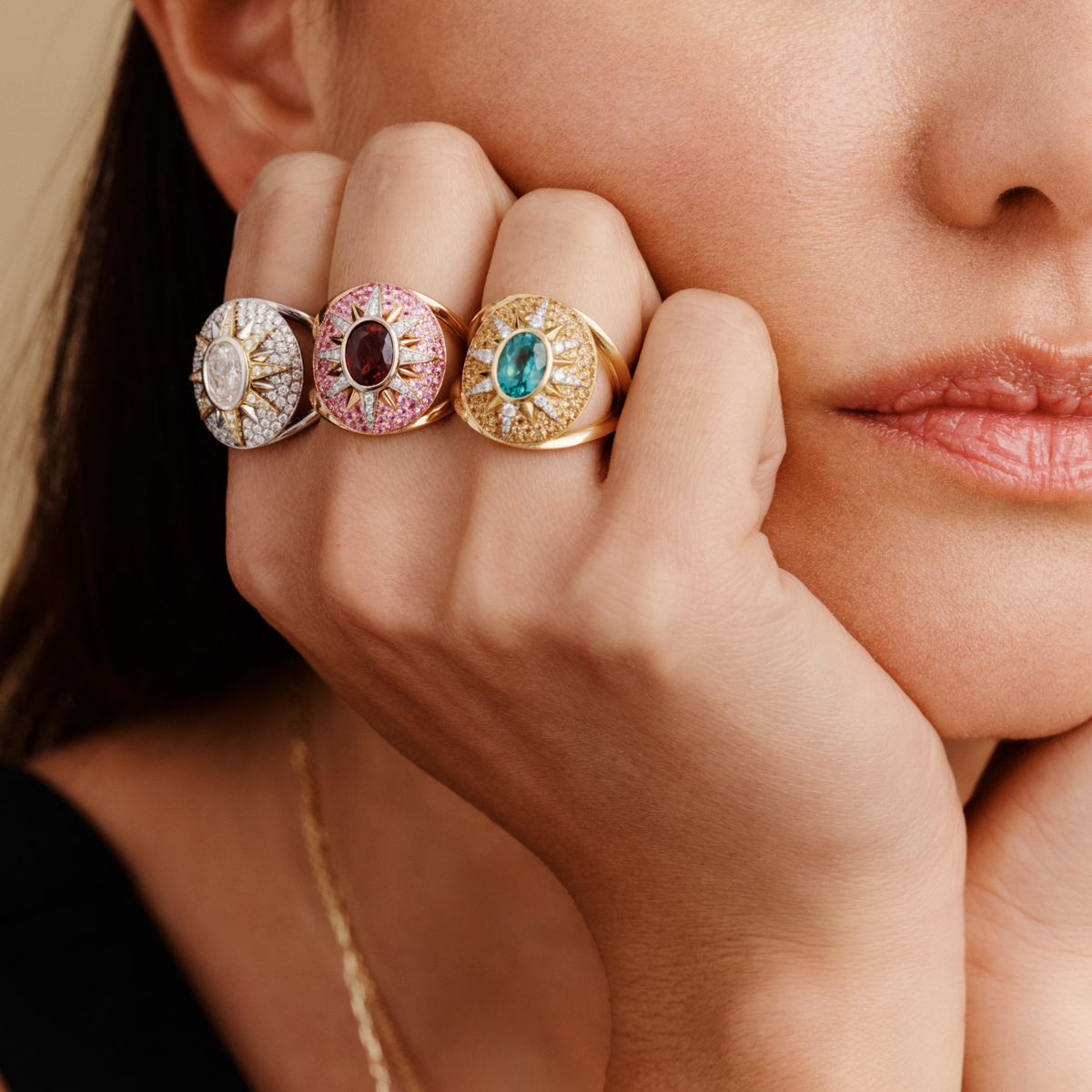
Rings carry powerful symbolism and visibility, making them popular choices for milestone purchases. A fine jewelry ring serves as a daily reminder of your achievement or investment, and quality pieces can transition seamlessly from professional to evening settings. However, rings endure more wear and tear than other jewelry types, making durability considerations paramount. If choosing a ring as your first piece, consider designs with secure settings and harder gemstones (diamonds, sapphires, rubies) rather than more delicate stones. Also ensure proper sizing, as resizing fine jewelry can be expensive and isn't always possible without compromising the design.
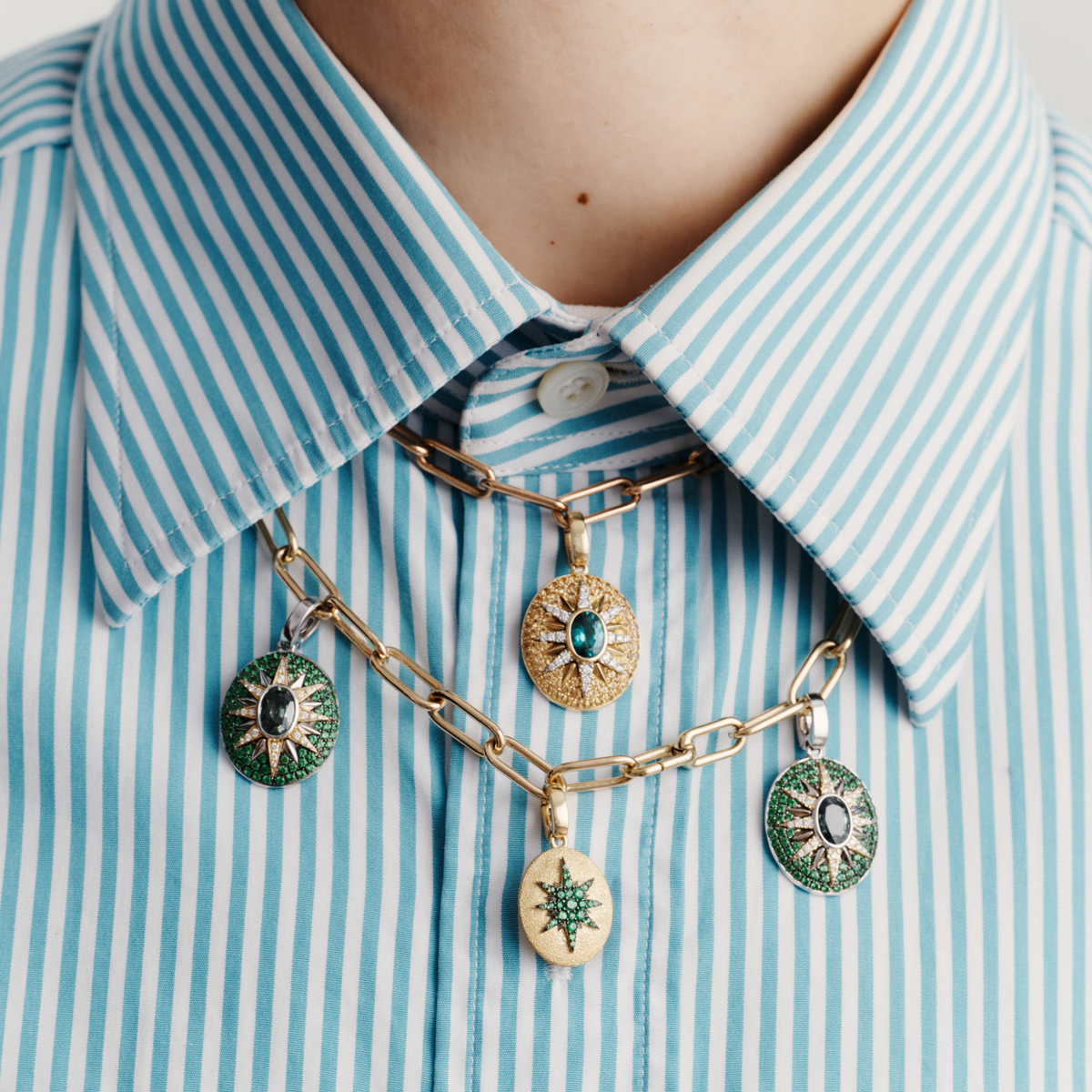
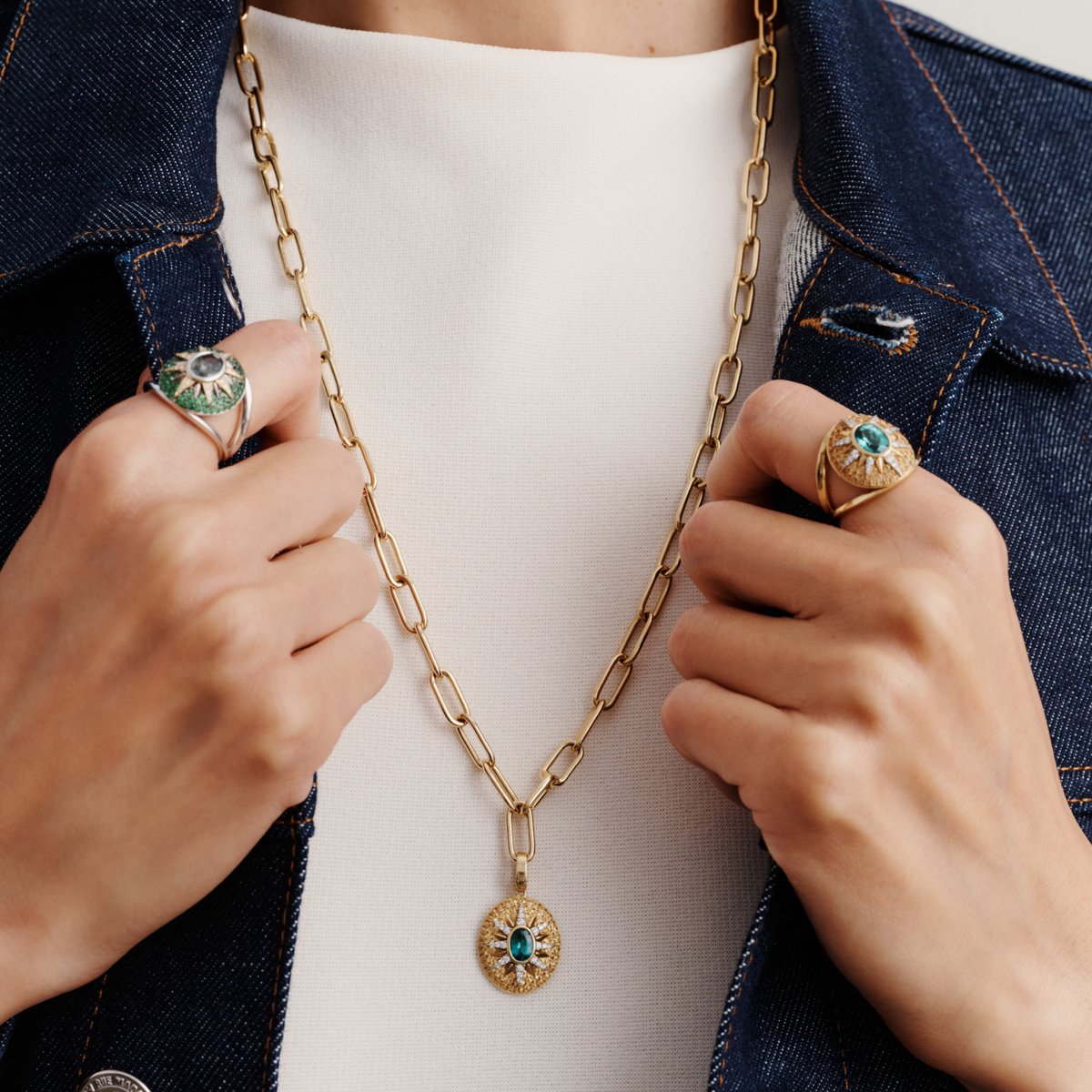
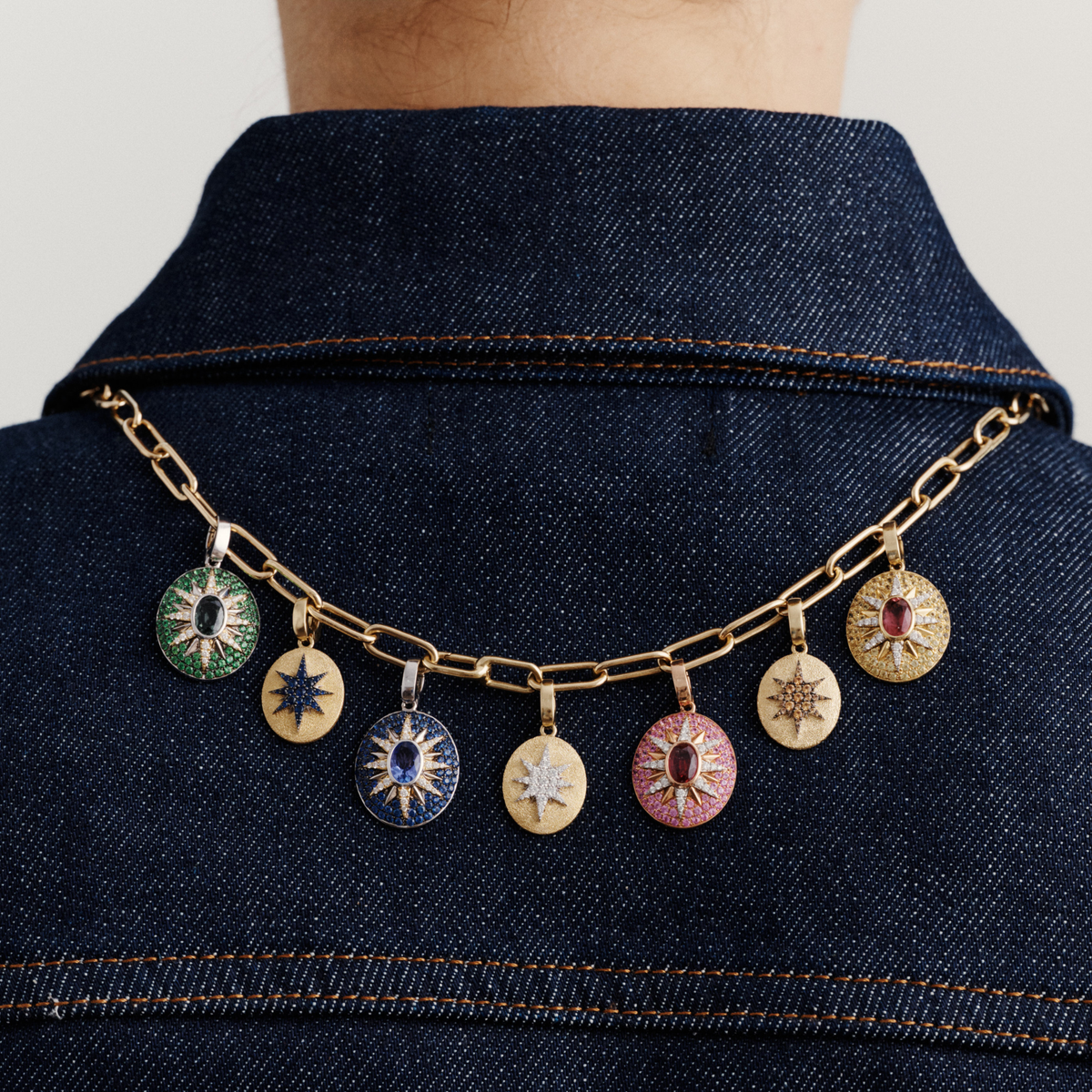
Pendants offer versatility and protection that make them excellent first purchases. Suspended from a chain and resting against clothing or skin, pendants experience less impact than rings while remaining visible and impactful. They also offer tremendous flexibility in styling - a fine pendant can be worn daily with simple attire or layered with other necklaces for more dramatic looks. Pendant designs like the Crush Stella Pendant with Tsavorites or the Crush Stella Pendant with Blue Sapphires demonstrate how colored gemstone pendants can serve as signature pieces that make a statement without overwhelming your overall look.
Earrings frame the face and offer guaranteed symmetry and impact, making them popular choices for those who prefer not to wear rings or necklaces. Fine earrings can range from subtle studs suitable for daily professional wear to statement drops that transform evening attire. Consider your typical hairstyle, face shape, and whether you prefer classic studs or more dramatic drops when selecting earrings. Also factor in comfort - high-end earrings should feel secure without being heavy or uncomfortable during extended wear.
Investment Considerations: Which Style Holds Value Best
From a pure investment perspective, classic styles in premium materials tend to retain value most reliably. Diamond solitaire rings, fine gemstone studs, and elegant pendants in timeless designs typically have stronger resale potential than highly trendy or unusual pieces. However, if you're buying fine jewelry primarily to wear and enjoy rather than as a financial investment, choose the style that brings you the most pleasure. A piece you'll actually wear for decades provides far greater value than one that sits unworn in a jewelry box, regardless of theoretical resale potential.
Setting Styles and Design Considerations
The setting style you choose affects both the aesthetic impact and practical durability of your fine jewelry piece. Understanding common setting types helps you evaluate quality and select designs that align with your preferences and lifestyle.
Prong settings, featuring metal claws that hold gemstones in place, are among the most popular for rings and pendants. They allow maximum light to enter the stone, enhancing brilliance and fire. Four-prong settings offer a classic, secure look, while six-prong settings provide additional security for valuable stones. When evaluating prong-set jewelry, ensure the prongs are smooth, evenly sized, and firmly secure the stone without gaps.
Bezel settings surround the gemstone's perimeter with a metal rim, offering maximum protection and a sleek, modern aesthetic. This style works beautifully for both diamonds and colored gemstones, and is particularly practical for rings that will be worn daily. The trade-off is slightly reduced light entry compared to prong settings, though well-executed bezels still allow gemstones to display full brilliance.
Pavé settings feature small gemstones set closely together, creating a continuous sparkle surface. The term comes from the French word for "paved," describing the paved-with-gems appearance. Quality pavé work requires exceptional craftsmanship, with each tiny stone securely set and the metal worked to near-invisibility. When evaluating pavé-set jewelry, inspect closely for secure settings and uniform stone sizes. Pieces like the Crush Stella Pendant with Diamonds in White Gold showcase how pavé settings can create extraordinary sparkle and visual impact.
Beyond technical setting style, consider overall design language. Do you gravitate toward minimalist, architectural pieces, or do you prefer more ornate, feminine designs? Is your style classic and timeless, or fashion-forward and bold? Your first fine jewelry piece should reflect your authentic aesthetic preferences rather than follow trends you don't genuinely love. Bold, distinctive designs can become signature pieces that define your personal style, while classic styles offer maximum versatility across occasions and evolving fashion trends.
Buying Fine Jewelry Guide: Red Flags to Avoid
Navigating the luxury jewelry market requires awareness of common pitfalls and warning signs that indicate you should walk away from a purchase, regardless of how attractive the price or piece may appear.
First and foremost, avoid jewelers who cannot or will not provide detailed information about materials, gemstone treatments, and certification. Transparency is non-negotiable at high-end price points. Reputable jewelers will proactively discuss metal purity, gemstone origin and treatments, certification status, and craftsmanship details. If a seller becomes evasive or dismissive when you ask specific questions, consider it a serious red flag.
Be cautious of pricing that seems too good to be true. Luxury jewelry has relatively consistent market pricing based on material costs and craftsmanship. A piece claiming to feature GIA-certified diamonds or rare gemstones in 18k gold should be priced accordingly. Dramatically below-market pricing often indicates undisclosed issues: lower metal purity than claimed, synthetic or treated gemstones represented as natural or untreated, or questionable craftsmanship that won't withstand daily wear.
Pressure tactics have no place in fine jewelry sales. Reputable jewelers understand that purchasing high-end pieces requires consideration and sometimes consultation with family or financial advisors. Be wary of artificial urgency ("this price is only available today"), reluctance to provide written documentation, or pushback against reasonable requests like independent appraisal before purchase completion.
Watch for vague or misleading terminology. Terms like "genuine" or "real" can be technically accurate while being deliberately misleading - a "genuine" gemstone might still be synthetic (laboratory-grown), heavily treated, or of commercial rather than fine quality. Similarly, "gold" without karat specification might refer to gold plating or gold-filled jewelry rather than solid gold. Always insist on specific details: 18k gold, natural sapphire, GIA-certified diamond, and so forth.
Finally, research the jeweler's reputation before making significant purchases. Established maisons with clear brand identities, transparent practices, and verifiable histories offer greater security than unknown sellers or vague online retailers. Look for detailed information about design philosophy, production methods, gemstone sourcing, and certification practices on the jeweler's website and through independent reviews.
Making Your Purchase: Practical Steps for Success
Once you've educated yourself on quality indicators and identified your preferences, approach the actual purchase with a clear process that protects your investment and ensures satisfaction.
Start by establishing a realistic budget that accounts for the total cost of your piece, including any chain for pendants, insurance, and potential future maintenance like rhodium replating for white gold. High-end fine jewelry is a significant purchase, and you should feel financially comfortable with the investment rather than stretched or anxious. Remember that quality pieces from reputable jewelers retain value and can be enjoyed for decades, justifying the higher initial investment compared to lower-quality alternatives.
When you've identified a specific piece you love, request all relevant documentation: metal purity certification or hallmarks, gemstone grading reports (GIA or equivalent), and detailed receipts documenting exactly what you're purchasing. For significant investments, consider having the piece independently appraised by a certified gemologist before finalizing the purchase, particularly if buying from a jeweler you're unfamiliar with.
Understand the jeweler's policies regarding returns, exchanges, sizing adjustments, and warranties. Reputable fine jewelry houses stand behind their products and offer reasonable accommodation for issues like sizing errors or manufacturing defects. Lifetime warranties on craftsmanship, complimentary cleaning and inspection services, and clear repair policies indicate a jeweler's confidence in their products and commitment to long-term client relationships.
Consider insurance for your fine jewelry purchase, particularly for pieces valued above several thousand dollars. Specialized jewelry insurance or endorsements to homeowner's policies provide coverage for loss, theft, and damage. Your jeweler should provide detailed documentation including photographs and appraisal values to facilitate insurance enrollment.
Finally, plan for proper care and maintenance. Fine jewelry requires periodic professional cleaning, inspection of settings and clasps, and potential services like prong retipping or replating over years of wear. Establish a relationship with your jeweler or a qualified jewelry service professional who can help maintain your piece in pristine condition for decades to come.
Conclusion: Investing in Yourself with Confidence
Purchasing your first high-end fine jewelry piece is ultimately about investing in yourself and acquiring something beautiful that will bring joy for years to come. By understanding quality indicators like 18k gold purity, GIA certification, gemstone evaluation criteria, and craftsmanship hallmarks, you're equipped to navigate the luxury jewelry market with confidence and discernment.
Whether you choose a classic diamond pendant, vibrant colored gemstone earrings like the Crush Nova design, or a distinctive ring that becomes your signature piece, prioritize authenticity to your personal style, verified quality, and transparent practices from jewelers who respect your intelligence and investment. The perfect first fine jewelry piece isn't necessarily the most expensive or elaborate option - it's the one that makes you feel powerful, beautiful, and proud every time you wear it, while representing genuine value in materials, craftsmanship, and design that will endure for generations.