Fall 2026 Jewelry Color Trends: Rich Jewel Tones & Gemstone Layering
After years of understated minimalism dominating fine jewelry aesthetics, fall jewelry trends 2026 signal a dramatic shift toward unapologetic color. The autumn season embraces saturated gemstone hues, layered compositions, and the revival of pieces that command attention rather than whisper in the background. For collectors and connoisseurs alike, this marks a return to jewelry as wearable art, where exceptional stones take center stage.
The movement toward bold jewel tones reflects a broader cultural appetite for joy, individuality, and craftsmanship. As fashion runways from Paris to New York showcase vibrant gemstone combinations, discerning buyers are rediscovering the emotional impact of color in their personal collections. This autumn is about celebrating the fire of a well-cut tanzanite, the velvet depth of blue sapphire, and the electric brilliance of tsavorite garnets.
The Color Palette Defining Fall Jewelry Trends 2026
The gemstone color story for autumn 2026 centers on three dominant families: deep blues, vibrant greens, and warm pink-to-red tones. Each offers distinct emotional resonance and styling versatility.
Deep Blues: Tanzanite and Sapphire
Blue gemstones anchor the fall palette with their sophisticated depth. Tanzanite, a vivid blue-violet zoisite found exclusively in Tanzania, delivers exceptional brilliance and a saturated hue that pairs beautifully with both warm and cool metal tones. Its pleochroism creates dynamic color shifts in different lighting, making each piece feel alive on the wearer.
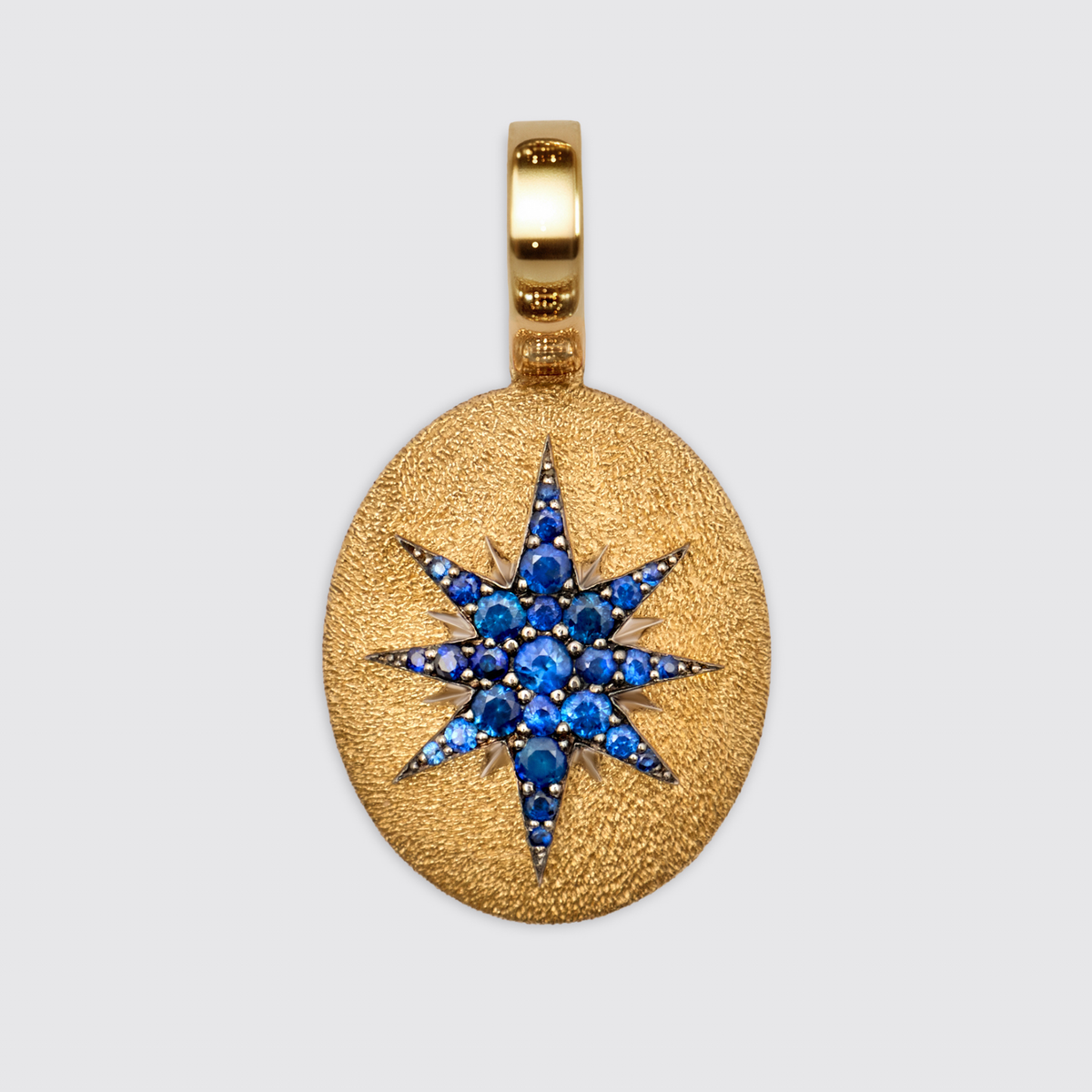
Blue sapphires, particularly those in rich cornflower and royal blue saturation, provide timeless elegance with contemporary appeal. Unlike their pale pastel counterparts, these deeply saturated stones carry weight and presence, ideal for statement earrings or layered pendant compositions.
Vibrant Greens: Tsavorite Garnets
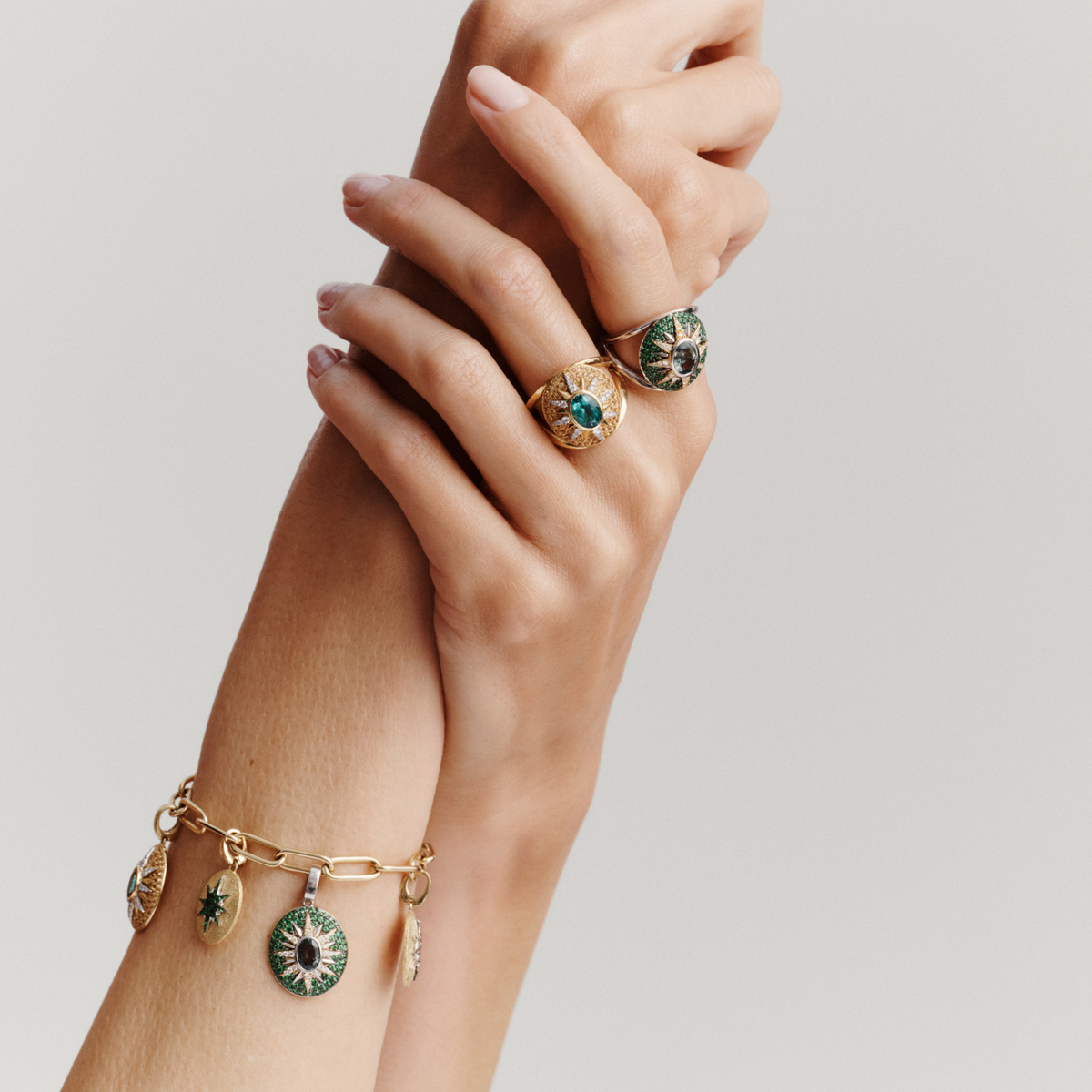
Tsavorite garnets have emerged as the green gemstone of choice for fall 2026, prized for their vivid chrome-green color and exceptional brilliance. Unlike emeralds, tsavorites typically lack inclusions, offering clean clarity and fiery dispersion. Their saturated hue reads as fresh rather than somber, providing visual punctuation in mixed-gemstone designs. The Crush Stella Pendant in tsavorites exemplifies this trend, with pavé-set garnets creating a constellation of green fire against warm 18k gold.
Warm Pinks and Reds
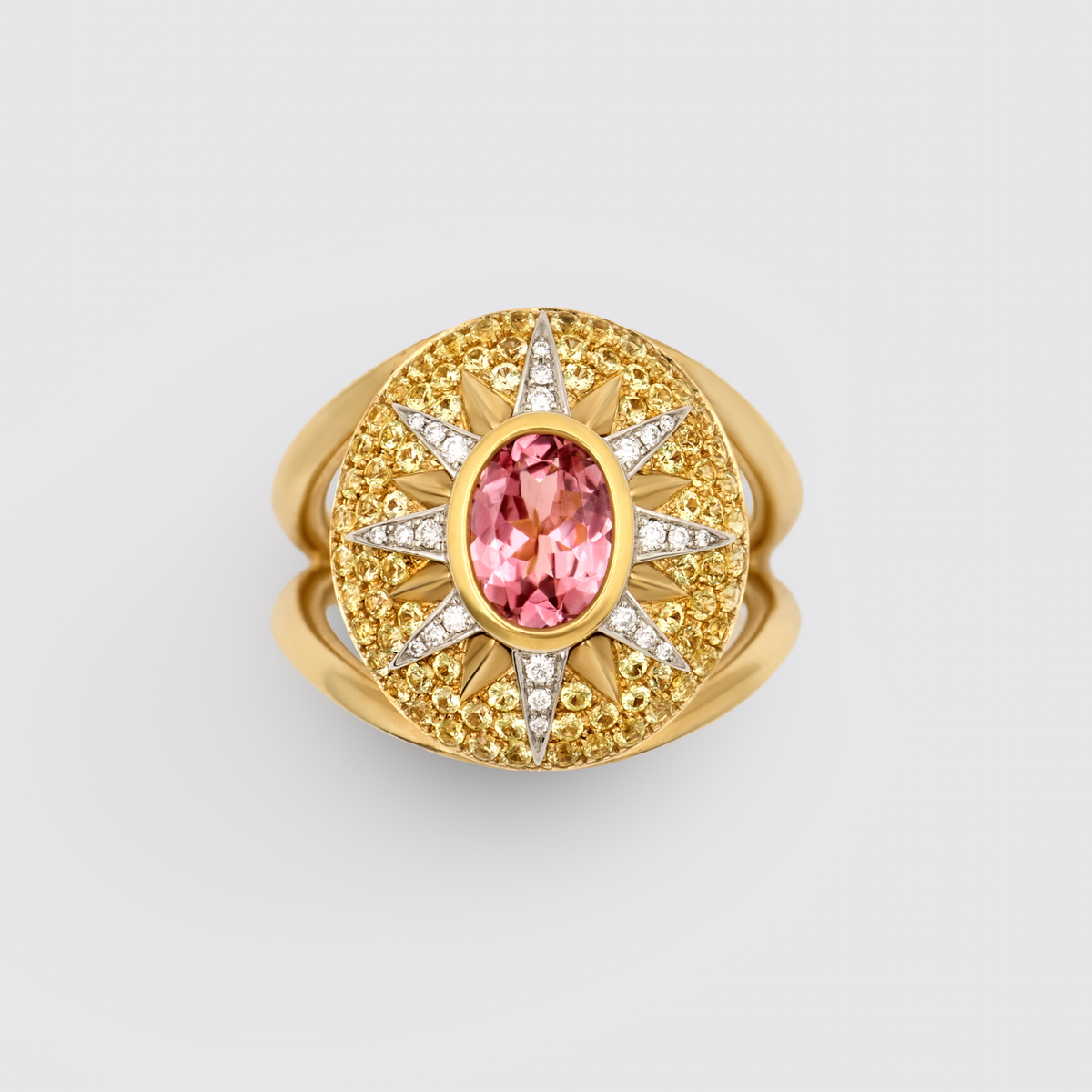
Pink sapphires and rubellite tourmalines bring warmth to autumn's color narrative. These stones range from soft rose to intense fuchsia, offering feminine energy without sacrificing boldness. When combined with cooler-toned center stones, pink accents create dynamic contrast that amplifies both colors.
Transitioning Your Summer Jewelry Wardrobe
The shift from summer to fall jewelry need not be abrupt. Strategic styling choices allow your existing pieces to evolve with the season while embracing richer tones.
Begin by reassessing metal tones. Summer's preference for white gold and platinum can transition seamlessly to yellow gold, which amplifies the warmth of autumn gemstones. If your collection skews cool-toned, consider introducing rose gold pieces as a bridge between seasons.
Swap delicate chains for slightly more substantial link styles. The visual weight should increase subtly without abandoning elegance. A fine trace chain might give way to a small cable link, providing structure that complements bolder gemstone colors.
Replace pastel and light-toned stones with their saturated counterparts. Pale aquamarines transition to deep blue sapphires or tanzanites. Soft pink morganites evolve into vibrant pink sapphires. This color intensification mirrors the seasonal shift in nature as summer's brightness deepens into autumn's richness.
Mastering Gemstone Layering Techniques
Layering colored gemstone pendants represents one of fall 2026's most significant styling developments. This approach allows collectors to showcase multiple exceptional stones simultaneously while creating personalized compositions.
The Three-Pendant Formula
Successful layering typically involves three necklaces at varied lengths:
A choker-length piece (14-16 inches) featuring a smaller gemstone or simple pavé design
A princess-length centerpiece (18 inches) showcasing your most significant stone
A longer chain (22-24 inches) with a complementary colored gemstone
This graduated approach creates visual hierarchy while preventing tangling. Choose gemstones that share either complementary or analogous color relationships. Deep blue tanzanite pairs exquisitely with vibrant pink sapphires, while tsavorite greens harmonize with warmer yellow or orange tones.
Balancing Scale and Proportion
When layering multiple gemstone pieces, vary the visual weight to prevent competition. If your centerpiece features a substantial oval stone, flank it with more delicate pavé designs. The Crush Stella Pendant in diamonds and white gold works beautifully as a neutral anchor in mixed-metal layered compositions, allowing colored gemstone pendants to take the spotlight.
Consider pendant shapes as well. Mixing an oval center stone with round or geometric secondary pieces creates visual interest without cacophony. The key is intentional contrast rather than accidental mismatch.
Mixing Metal Tones With Confidence
Fall 2026 definitively abandons the outdated rule of matching all metals. Contemporary styling embraces yellow gold, rose gold, and white gold within a single composition, particularly when colored gemstones bridge the tones.
The most successful mixed-metal approaches begin with identifying a dominant metal, typically comprising 60-70% of visible metal in your ensemble. Secondary and accent metals then provide contrast without creating visual confusion.
Gemstones themselves facilitate metal mixing. A piece combining blue zircon as a center stone with pink sapphire accents, such as the Crush Nova Earrings in blue zircon and pink sapphires, naturally pairs with both cool white gold chains and warm yellow gold bracelets. The color contrast in the stones gives permission for metal variation.
When uncertain, use white or colorless diamonds as neutral territory. A diamond-pavé piece reads as adaptable, working with any metal tone in your layered composition.
Bold Color as the Antidote to Minimalism Fatigue
The surge in saturated gemstone jewelry reflects a broader cultural shift. After nearly a decade of minimalist aesthetics dominating luxury markets, consumers increasingly seek emotional resonance and individual expression. Jewelry without color risks disappearing in an era of quiet luxury sameness.
Colored gemstones offer narrative potential that colorless diamonds cannot match. A tanzanite carries the story of its singular Tanzanian origin. A tsavorite connects to East African geological rarity. A fine pink sapphire references centuries of royal collections. These stories transform jewelry from mere ornament into meaningful acquisition.
For collectors building long-term wardrobes, bold color provides versatility that neutrals cannot. A strand of diamonds requires context to avoid reading as generic luxury. A vibrant blue sapphire pendant makes an immediate, unambiguous statement regardless of accompanying pieces.
This trend also represents excellent value positioning. As colorless diamond prices face market pressures, exceptional colored gemstones, particularly in rare saturations and larger sizes, continue appreciating. Acquiring statement pieces in tanzanite, tsavorite, or fine sapphire today positions collectors advantageously for long-term portfolio growth.
Styling Colored Gemstones for Different Occasions
The versatility of bold gemstone jewelry extends across contexts when styled thoughtfully.
Professional Settings
For business environments, anchor colored gemstones with structured tailoring and restrained styling. A single vibrant pendant worn at princess length against a crisp white shirt creates executive presence without excess. Choose stones in saturated but not neon tones. Deep blue sapphire and rich green tsavorite read as authoritative rather than playful.
Evening and Formal Events
Evening wear provides the ideal canvas for maximalist gemstone layering. Combine multiple pendant lengths, incorporate colored gemstone earrings, and don't shy from substantial scale. The Crush Stella Pendant in spessartites offers warm orange tones that glow under evening lighting, particularly stunning against jewel-toned silk or velvet.
Weekend and Casual Styling
Casual contexts benefit from mixing fine gemstone pieces with relaxed fabrications. A significant colored gemstone pendant elevates denim and cashmere, transforming weekend ease into studied nonchalance. This approach maximizes wear occasions for investment pieces rather than reserving them exclusively for formal events.
Conclusion: Embracing Color With Intention
Fall jewelry trends 2026 invite collectors to reconsider their relationship with color in fine jewelry. The movement toward saturated gemstones, layered compositions, and mixed metals represents more than seasonal fashion. It signals a fundamental shift toward jewelry as personal expression and long-term value.
As you build or refresh your collection this autumn, prioritize exceptional stone quality over size. A vivid, well-cut tanzanite of modest carat weight delivers more visual impact than a larger pale specimen. Seek pieces from maisons that prioritize gemological excellence and handcrafted artistry.
Begin with one statement piece in a color that resonates emotionally. Build your layering wardrobe gradually, ensuring each addition offers both independent beauty and compositional harmony with existing pieces. The goal is a versatile collection that grows more valuable and personal over time, reflecting both enduring style and the bold color energy defining this moment in fine jewelry.