Tanzanite vs Blue Sapphire: Which Rare Gemstone to Choose?
When selecting a blue gemstone for fine jewelry, the tanzanite vs sapphire debate remains one of the most fascinating dilemmas for discerning collectors. Both stones command attention with their captivating blue hues, yet they differ dramatically in origin, durability, rarity, and long-term value. Understanding these distinctions becomes essential when investing in pieces that balance aesthetic beauty with wearability and potential appreciation.
This comprehensive comparison examines every critical factor, from geological scarcity and color characteristics to practical durability and price considerations. Whether you're drawn to tanzanite's singular origin story or sapphire's time-tested reputation, this guide provides the expert insights needed to make an informed decision for your jewelry collection.
Rarity and Origin: A Tale of Two Gemstones
The rarity story fundamentally separates these two blue gemstones. Tanzanite claims an unparalleled distinction as one of the world's rarest gemstones, found exclusively in a small mining area near Mount Kilimanjaro in Tanzania. This singular geographic source, measuring just approximately 4 kilometers wide, makes tanzanite geologically 1,000 times rarer than diamonds. Discovered only in 1967, tanzanite remains a relatively young gemstone with finite reserves that experts predict could be depleted within the next few decades.
Blue sapphire, by contrast, enjoys global distribution with significant deposits across multiple continents. Major sources include Kashmir, Myanmar (Burma), Sri Lanka, Madagascar, Australia, and Montana in the United States. This geographic diversity ensures more consistent supply and availability across all quality grades. Kashmir sapphires, particularly those from the original 19th-century deposits, command extraordinary premiums due to their legendary velvety blue color, though most Kashmir mines have been exhausted for decades.
The single-origin nature of tanzanite creates fascinating market dynamics. Every tanzanite in existence comes from the same geological formation, making provenance straightforward but supply inherently limited. Sapphire's multiple sources create quality hierarchies based on origin, with Kashmir, Burmese, and Ceylon (Sri Lankan) sapphires traditionally valued above others. This geographic diversity also means sapphire supply can continue indefinitely as new deposits are discovered.
Color Characteristics and Pleochroism
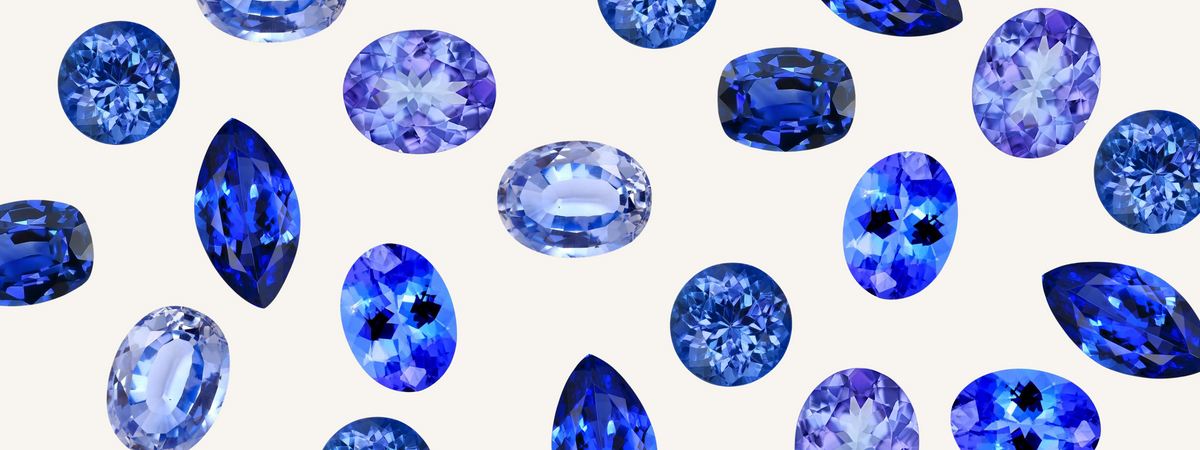
Color represents perhaps the most immediately noticeable difference between these gemstones. Tanzanite exhibits a distinctive trichroic nature, displaying three different colors depending on viewing angle: blue, violet, and burgundy-red. This pleochroism creates tanzanite's signature blue-violet color, often described as a velvety periwinkle or violet-blue that shifts subtly as the stone moves. Most tanzanite undergoes heat treatment to minimize the brownish tones and enhance the coveted blue-violet hues, a standard practice fully accepted in the gem trade.
Blue sapphire typically presents a more consistent, pure blue color ranging from light cornflower to deep royal blue and the coveted Kashmir blue with its velvety appearance. While sapphire is also pleochroic, showing blue and greenish-blue from different angles, this effect is generally less pronounced than in tanzanite. The most valuable blue sapphires display a pure, vivid blue without secondary violet, gray, or green modifiers, though personal preference plays a significant role in color desirability.
The color intensity of both stones depends heavily on carat weight. Larger tanzanites typically show deeper, more saturated blue-violet colors, while smaller stones may appear lighter and more lavender. Similarly, larger sapphires generally display richer color saturation. For fine jewelry applications, this means size selection significantly impacts the visual impact of the finished piece.
How Lighting Affects Each Gemstone
Tanzanite performs exceptionally under incandescent lighting, where its violet components intensify, creating a mesmerizing glow. Under daylight or fluorescent lighting, the blue components become more prominent. This color shift adds to tanzanite's allure but means the stone's appearance varies considerably throughout the day. Blue sapphire maintains more consistent color across different lighting conditions, though the finest specimens show slight violet flashes under incandescent light. This stability makes sapphire more predictable in various settings and occasions.
Tanzanite vs Sapphire: Durability and Hardness Comparison
Durability constitutes perhaps the most significant practical difference between these gemstones. Sapphire ranks 9 on the Mohs hardness scale, second only to diamond at 10, making it one of the most durable gemstones for everyday wear. This exceptional hardness means sapphire resists scratching from virtually all materials encountered in daily life, making it ideal for engagement rings, bracelets, and other jewelry exposed to regular wear and potential impact.
Tanzanite measures 6 to 6.5 on the Mohs scale, classifying it as moderately hard but significantly softer than sapphire. This lower hardness makes tanzanite more susceptible to scratching from common materials like quartz dust (hardness 7), which exists in ordinary household dust. Additionally, tanzanite exhibits perfect cleavage in one direction, meaning it can split along specific planes if struck at particular angles, requiring careful handling and setting.
These durability differences directly influence appropriate jewelry applications:
Sapphire: Suitable for all jewelry types including daily-wear rings, bracelets, and active-lifestyle pieces
Tanzanite: Best suited for earrings, pendants, occasional-wear rings, and pieces designed with protective settings
Setting considerations: Tanzanite benefits from bezel or halo settings that protect the stone's edges and vulnerable points
Maintenance requirements: Tanzanite requires gentler cleaning methods and should be removed during physical activities
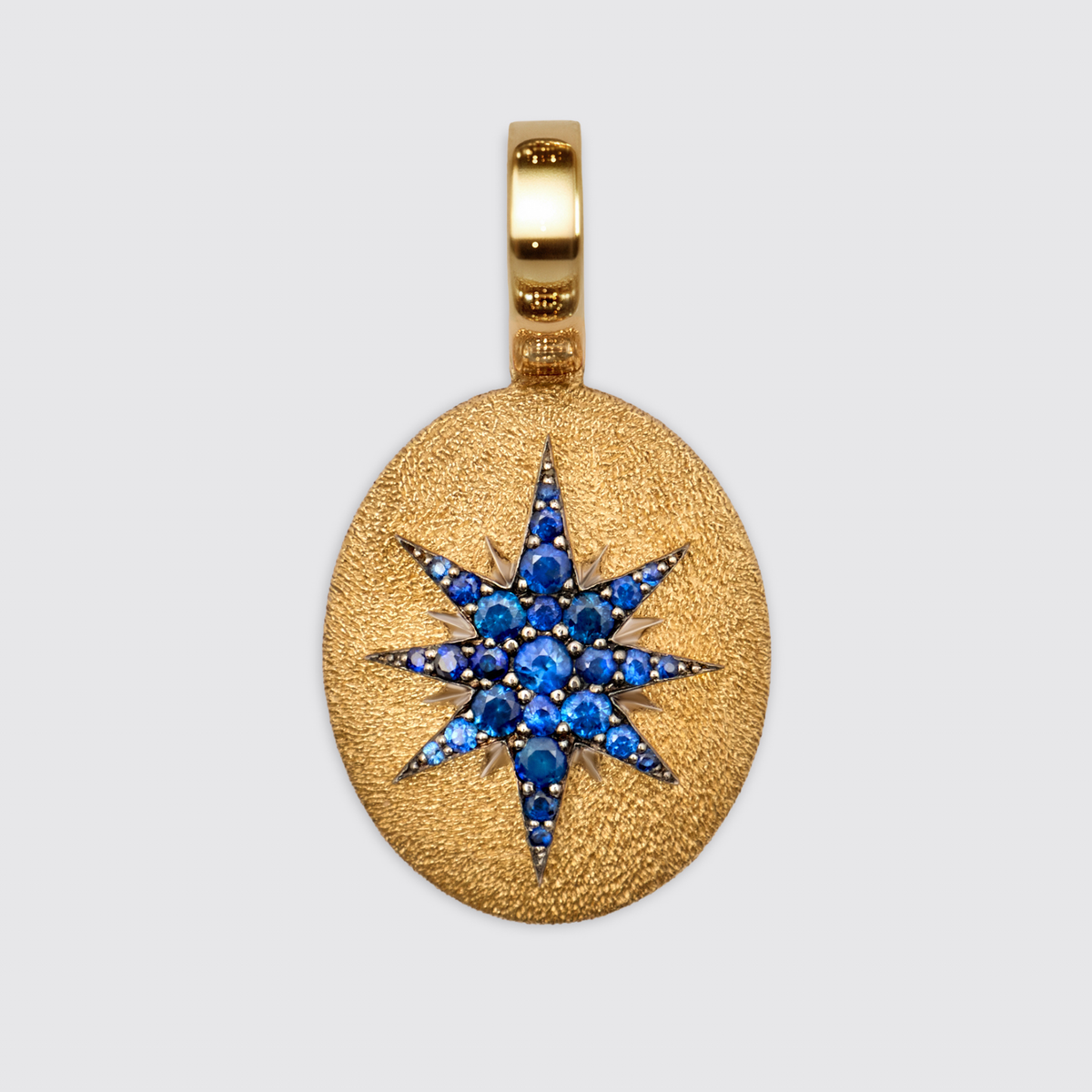
For collectors seeking heirloom pieces designed to withstand generations of wear, sapphire's superior durability provides distinct advantages. However, with appropriate care and protective design, tanzanite can certainly serve as a cherished jewelry piece for special occasions. The Crush Nova Pendant - Tanzanite & Blue Sapphires exemplifies how thoughtful design can showcase tanzanite's beauty while the surrounding sapphire pavé adds both sparkle and structural support.
Price and Investment Considerations
Pricing for both gemstones varies dramatically based on quality factors including color, clarity, cut, and carat weight. Generally, fine blue sapphires command higher per-carat prices than tanzanite across most size ranges, though exceptional tanzanites can reach surprising values. Commercial-grade blue sapphires typically range from $800 to $3,000 per carat, while fine-quality stones from prestigious origins can reach $5,000 to $15,000 per carat, with exceptional Kashmir sapphires exceeding $50,000 per carat at auction.
Tanzanite pricing typically ranges from $300 to $1,200 per carat for commercial qualities, with fine AAA-grade stones reaching $1,500 to $3,000 per carat in larger sizes. Exceptional specimens with vivid, saturated color can command even higher prices, particularly in sizes above 5 carats where color intensity peaks. The significant price difference makes tanzanite an attractive option for those seeking larger carat weights or more accessible entry into colored gemstone collecting.
Long-Term Value and Investment Potential
Investment potential presents a complex equation for both gemstones. Blue sapphire benefits from centuries of established market demand, proven liquidity, and consistent appreciation, particularly for stones from prestigious origins with excellent color and no heat treatment. Unheated Kashmir, Burmese, and Ceylon sapphires have demonstrated remarkable value appreciation over decades, making them reliable stores of wealth.
Tanzanite's investment case rests primarily on scarcity. With mines projected to deplete within decades, some analysts predict significant long-term appreciation as supply dwindles and existing stones become increasingly rare. However, tanzanite lacks sapphire's centuries-long track record, and its investment potential remains more speculative. The gemstone market historically favors established stones with proven demand over newer discoveries, regardless of rarity.
For collectors prioritizing investment security, sapphire represents the more conservative choice with established liquidity and proven appreciation. Tanzanite appeals to those willing to accept higher risk for potentially substantial appreciation driven by increasing scarcity. The ideal approach for serious collectors often involves diversification across both gemstones and quality grades.
Ideal Jewelry Settings and Design Considerations
The physical characteristics of each gemstone influence optimal setting choices. Sapphire's exceptional durability permits virtually any setting style, from delicate prong settings that maximize light entry to exposed designs perfect for rings worn daily. This versatility explains sapphire's enduring popularity for engagement rings and other high-wear jewelry categories.
Tanzanite's relative softness and perfect cleavage necessitate more protective approaches. Bezel settings, which surround the stone's girdle with metal, provide excellent protection while creating a sleek, modern aesthetic. Halo designs featuring surrounding diamonds or colored gemstones add both visual impact and physical protection for vulnerable edges. Earrings and pendants represent ideal applications for tanzanite, as these pieces experience minimal impact and abrasion during wear.
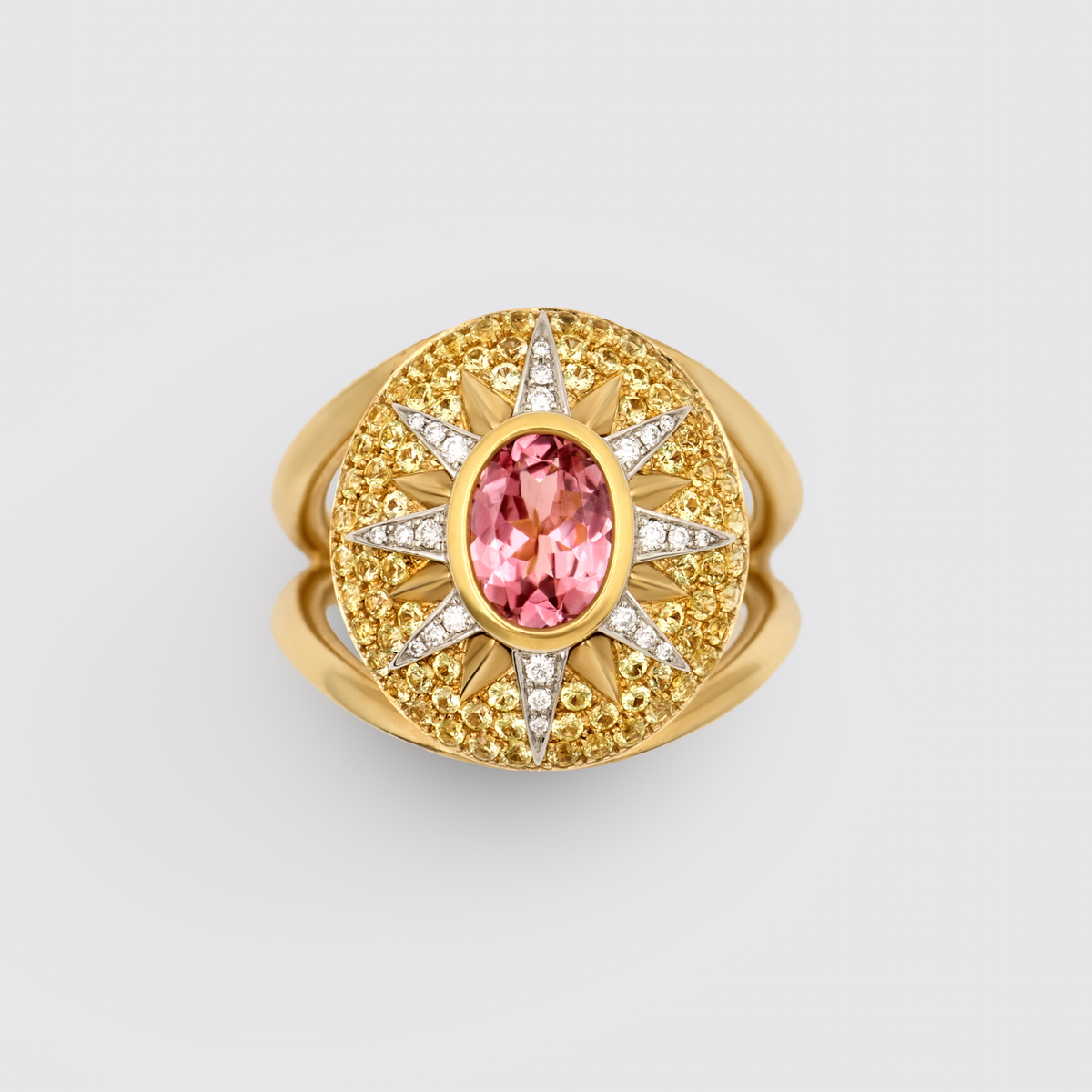
When combining both gemstones, designers can leverage their complementary qualities. The Crush Nova Ring - Tanzanite & Blue Sapphires demonstrates this approach beautifully, featuring a central tanzanite surrounded by intense blue sapphire pavé within the signature 16-point star motif. This design allows the tanzanite's distinctive violet-blue to command attention while the harder sapphires provide structural integrity and additional sparkle.
Metal choice also impacts how these blue gemstones present. White gold and platinum emphasize the cool blue tones of both stones, creating elegant, sophisticated presentations. Yellow gold introduces warmth that can beautifully complement tanzanite's violet undertones while creating striking contrast with pure blue sapphires. Rose gold offers a contemporary option that flatters the warmer secondary hues in both gemstones.
Authentication and the Importance of GIA Certification
Given the significant value of both tanzanite and blue sapphire, proper authentication becomes essential for any serious purchase. The gemstone market contains numerous treatments, synthetics, and simulants that can deceive even experienced buyers without proper certification. GIA (Gemological Institute of America) certification provides the gold standard for gemstone authentication and quality assessment.
For sapphire, GIA reports document critical information including origin determination (when possible), presence or absence of heat treatment, and identification of any other treatments. Unheated sapphires command substantial premiums over heated stones, making this disclosure financially significant. GIA's advanced testing can often determine geographic origin, particularly valuable for Kashmir, Burmese, and Ceylon sapphires where provenance dramatically affects value.
Tanzanite certification confirms the stone's identity and documents any treatments. While heat treatment is standard and accepted for tanzanite, certification ensures the stone is genuine tanzanite rather than synthetic corundum or other simulants sometimes fraudulently marketed as tanzanite. For larger, more valuable tanzanites, certification also provides documentation for insurance purposes and future resale.
Beyond authentication, GIA reports provide detailed quality grading including color description, clarity characteristics, and precise measurements. This documentation allows buyers to make informed comparisons and ensures transparency in high-value transactions. For fine jewelry featuring both gemstones, such as the Crush Nova Earrings - Tanzanite & Blue Sapphires, GIA certification of the primary stones provides confidence in the quality and authenticity of these investment pieces.
Making Your Choice: Which Gemstone Suits You?
The tanzanite vs sapphire decision ultimately depends on your specific priorities, lifestyle, and aesthetic preferences. Choose blue sapphire if you prioritize maximum durability for daily wear, prefer established investment security, desire the prestige of origin-specific stones, or favor pure blue color without violet modifiers. Sapphire represents the traditional choice for engagement rings and heirloom pieces designed to withstand generations of constant wear.
Select tanzanite if you're captivated by extreme rarity and singular origin, prefer the distinctive blue-violet color with its characteristic color shift, seek more accessible pricing for larger carat weights, or primarily wear fine jewelry for special occasions rather than daily activities. Tanzanite offers contemporary collectors the opportunity to own one of Earth's rarest gemstones with a compelling future scarcity story.
For many sophisticated collectors, the answer involves both gemstones rather than choosing between them. The complementary nature of tanzanite's violet-blue and sapphire's pure blue creates stunning visual combinations, as exemplified throughout the Crush Nova collection. A balanced jewelry wardrobe might include sapphire pieces for daily elegance and tanzanite statement pieces for special occasions, capturing the best qualities of both extraordinary gemstones.
Consider starting with pieces that combine both stones, allowing you to experience their complementary beauty in a single design. The distinctive 16-point star motif of Crush Nova pieces provides the perfect canvas for appreciating how tanzanite and sapphire enhance each other, with the rarity of tanzanite meeting the durability of sapphire in handcrafted 18k gold settings designed to command attention while standing the test of time.