What Fine Jewelry Really Costs: An Honest Price Guide to 18K Gold & Colored Gemstones
Before founding this maison, Raphaëlle spent years in investment banking, a world where you learn to ask one question before any acquisition: what am I actually paying for? Fine jewelry, as an industry, prefers you not to ask. We take the opposite view. A client who understands where the price of a piece goes buys with more confidence, keeps the piece longer, and comes back. So here it is: an honest guide to what fine jewelry costs, and why.
The Three Components of Any Fine Jewelry Price
1. The gold
18K gold is 75 percent pure gold, and gold trades on a public market: this part of the price is transparent by definition. A substantial ring or a paperclip chain carries meaningful gold weight, and that weight is value you wear; it does not evaporate the way a logo premium does. Why we work exclusively in 18K rather than 14K is a question of color, durability and resale logic, covered in 18K vs 14K Gold and What is 18K Gold.
2. The stones
This is where fine jewelry prices genuinely diverge, and where knowledge pays. Two rules govern gemstone value: color saturation beats carat weight, and natural rarity beats marketing. A vivid tanzanite or a clean tsavorite of modest size is worth more, and will always be worth more, than a larger pale stone. It is also why some of the best value in colored stones hides behind unfamiliar names: fine tanzanite still trades well below comparable sapphire despite being dramatically rarer, a gap we quantified in our tanzanite price guide.
3. The making
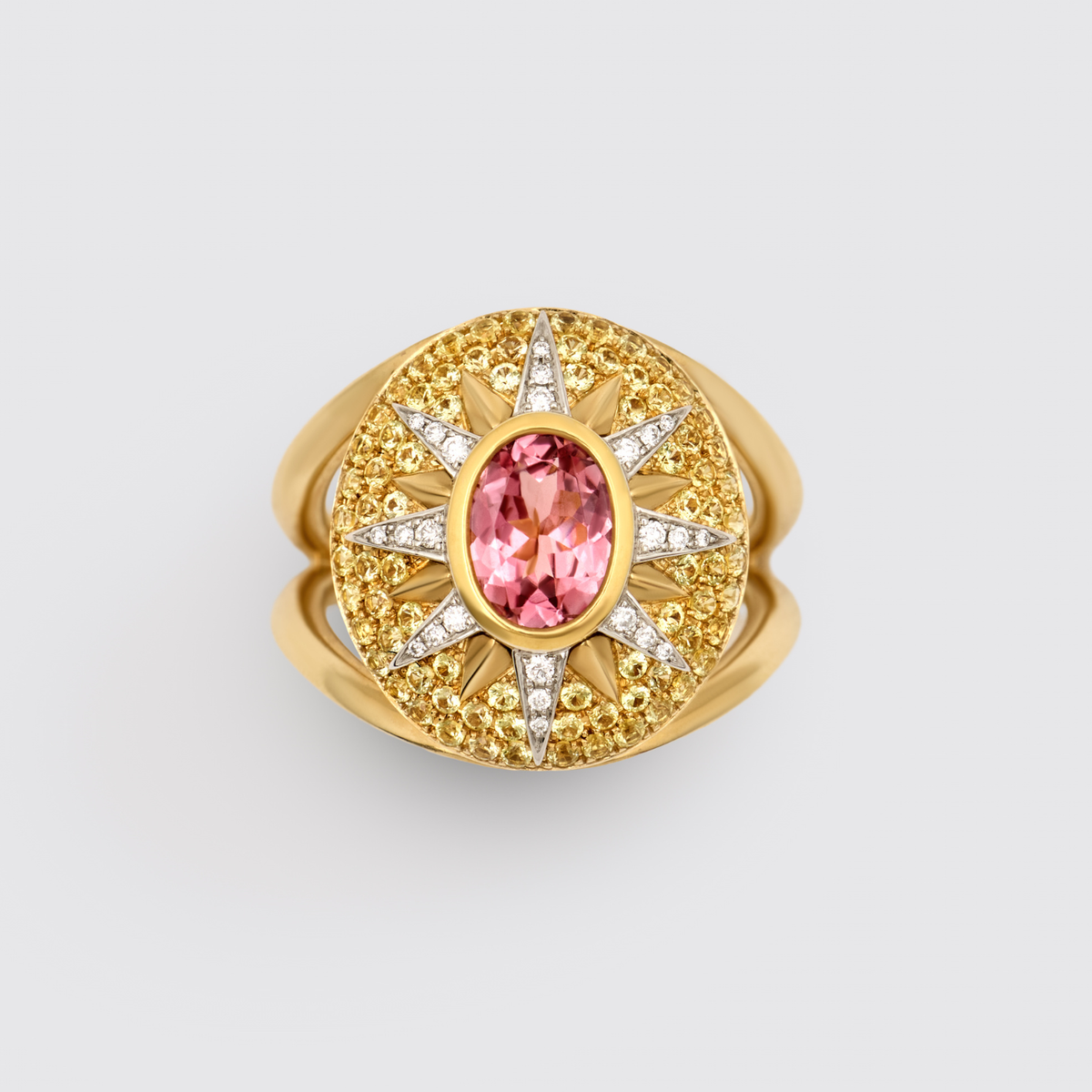
Pavé setting by hand, sculpting a Crush Nova halo, finishing a piece to maison standard: craftsmanship is skilled labor measured in hours. It is the least visible component in a photograph and the most visible on your hand ten years later. Poorly made jewelry fails at the settings; well-made jewelry becomes an heirloom.
What You Should Not Be Paying For
Two costs inflate much of the luxury market without adding anything to the piece: heavy retail infrastructure, and brand premium untethered from materials. A maison model like ours, one atelier, private appointments rather than a network of boutiques, direct relationships with stone dealers, strips both out. The price of a piece reflects its gold, its stones and its making, at a level the grandes maisons of Place Vendôme charge multiples of for comparable materials.
How to Buy Intelligently: Four Principles
- Ask what the stone is and where it is from. A serious house answers precisely, and every piece we sell ships with its certificate of authenticity.
- Prioritize saturation over size. The vivid smaller stone wins every time, aesthetically and financially.
- Insist on 18K. It is the floor for a piece meant to last generations.
- Buy pieces, not occasions. A piece chosen for itself gets worn for decades; our guide to buying your first high-end piece expands on building rather than accumulating.
Where to Begin, by Format
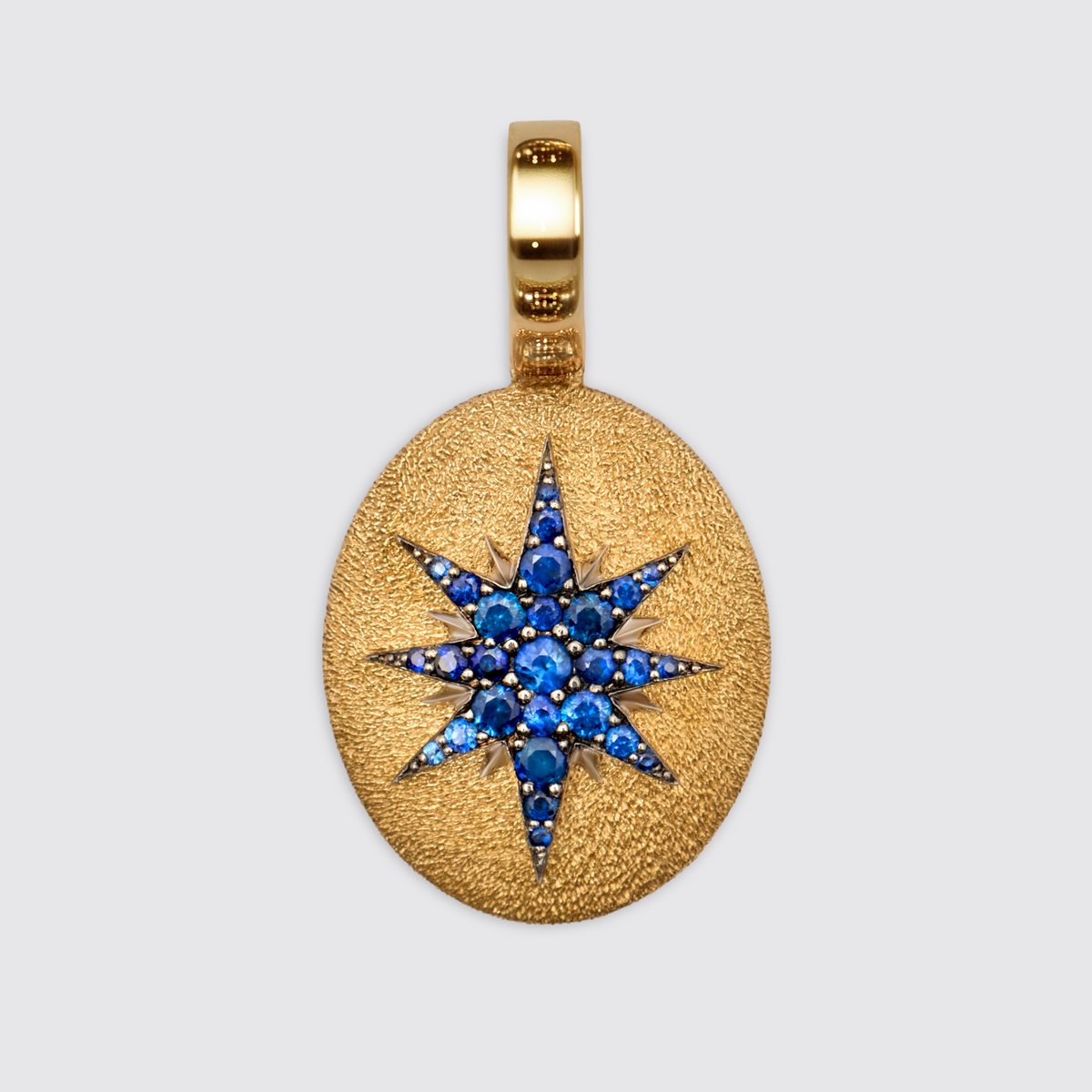
Chains in 18K gold are the most accessible entry into the maison and the most worn pieces we make. Pendants concentrate value in a single visible stone, which makes them the most efficient colored gemstone acquisition; the pendant collection spans the full color range. Statement rings like the Crush Nova in diamonds sit at the top of the range because they combine the most gold, the most stones and the most hours. Browse all pieces to calibrate.
Prices, in Person and Without Ceremony
Every price is stated plainly on each product page, taxes and duties included, shipping free worldwide. And if you prefer to discuss a piece, its stones and its value the way you would any considered acquisition, that is exactly what a private appointment is for. Book yours at the Ritz Paris.