Best Fine Jewelry for Women in Their 40s: Fine vs Costume, and What Is Worth Investing In
The best jewelry for women in their 40s is rarely the newest or the most talked about. By this stage, most women know what they like, have bought enough to recognise quality, and have little patience for pieces that tarnish, break or date within a season. The question shifts from "what is in fashion" to "what is worth owning", and the answer depends on a distinction that the jewellery industry tends to blur: the difference between fine jewellery and costume jewellery.
This guide sets out that difference clearly, explains where each category earns its place, and then details the fine jewellery pieces that reward a woman in her forties over the next thirty years: what to buy, in which materials, and how to judge whether a piece is worth its price. It ends with the questions to ask before any significant purchase.
Fine jewellery vs costume jewellery: the real difference
Materials
Fine jewellery is made of precious metals, most commonly 18-karat gold (75 percent pure) or platinum, set with natural gemstones. Costume jewellery, including most designer fashion jewellery, is made of base metals such as brass or steel, plated with a thin layer of gold, and set with glass, crystal, resin or synthetic stones. The plating wears through with time; the base metal can tarnish or trigger skin reactions; the stones cannot be re-cut or re-set.
Longevity and repair
A piece of 18k gold jewellery can be resized, re-polished, re-tipped and re-set indefinitely. A broken clasp or a loose stone is a small repair, not a loss. Costume jewellery is rarely repairable: re-plating is possible but temporary, and a damaged glass stone is simply replaced with another. Fine jewellery is built to be passed on; costume jewellery is built for a few seasons.
Value over time
Fine jewellery retains intrinsic value in its metal and stones, and well-made pieces from recognised makers hold or gain value at resale. Costume jewellery has no intrinsic value; a handful of vintage pieces from famous houses have become collectible, but these are exceptions built on rarity and provenance, not on materials.
Price and where each makes sense
Costume jewellery costs less at purchase and makes sense for trend pieces, travel, and looks one does not intend to keep. Fine jewellery costs more and makes sense for everything worn regularly, everything meant to last, and everything meant to be given away one day. For a woman in her forties, the calculation usually favours fewer, better pieces: a fine piece worn two hundred days a year for twenty years costs less per wear than the succession of costume pieces it replaces.
The fine jewellery pieces worth owning in your 40s
A pair of everyday gold earrings
Small hoops or studs in 18k gold, worn almost daily. They frame the face, work with every neckline and never need to be thought about. Yellow gold flatters warm complexions, white gold and rose gold suit cooler ones, and many women own one of each.
A chain necklace in solid gold
A fine or medium-weight chain, worn alone or layered, is the most-worn piece in most jewellery boxes. Solid 18k gold, not plated, not filled: it will still be intact in forty years. Length is personal; a chain that sits at the collarbone is the most versatile.
A cocktail ring with a coloured gemstone
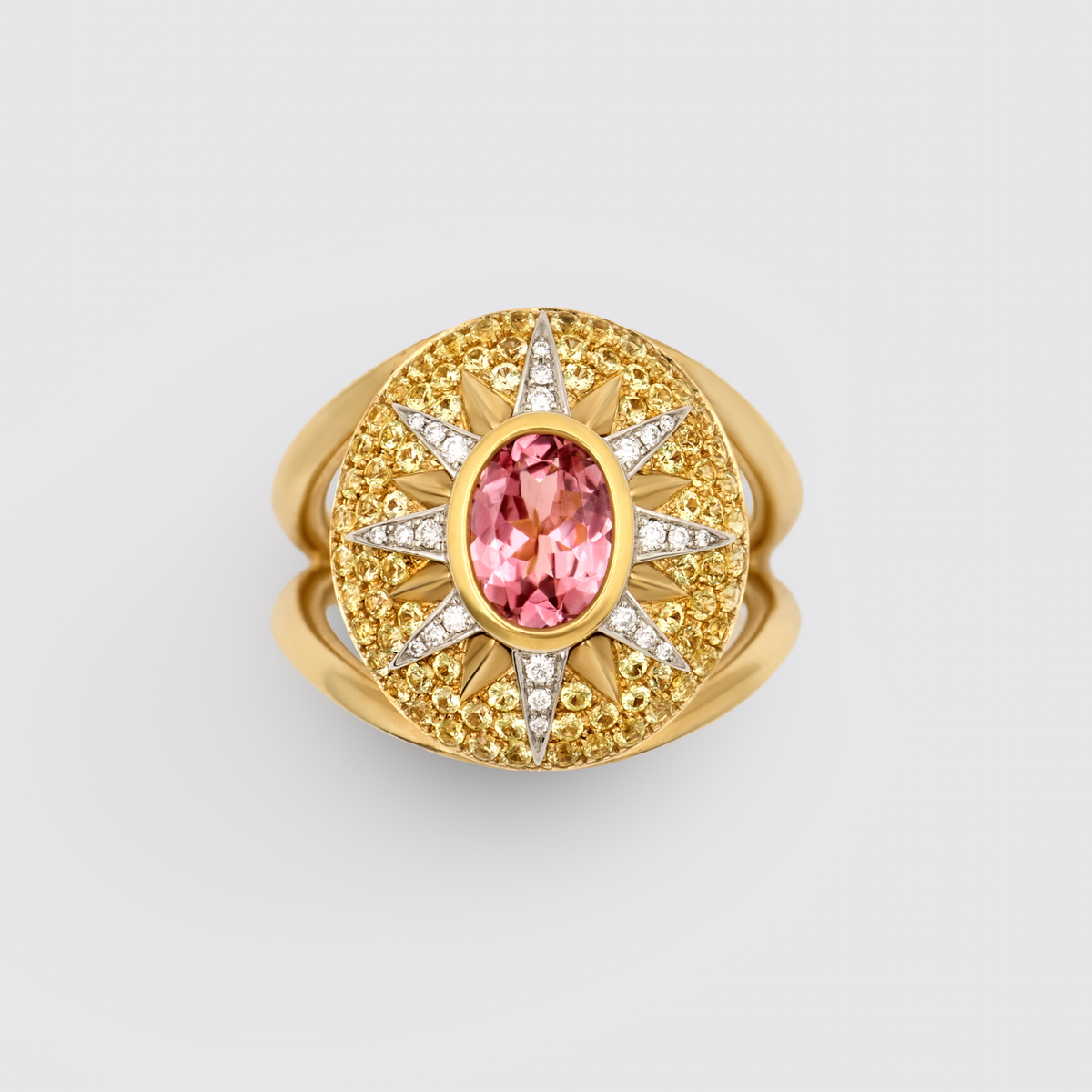
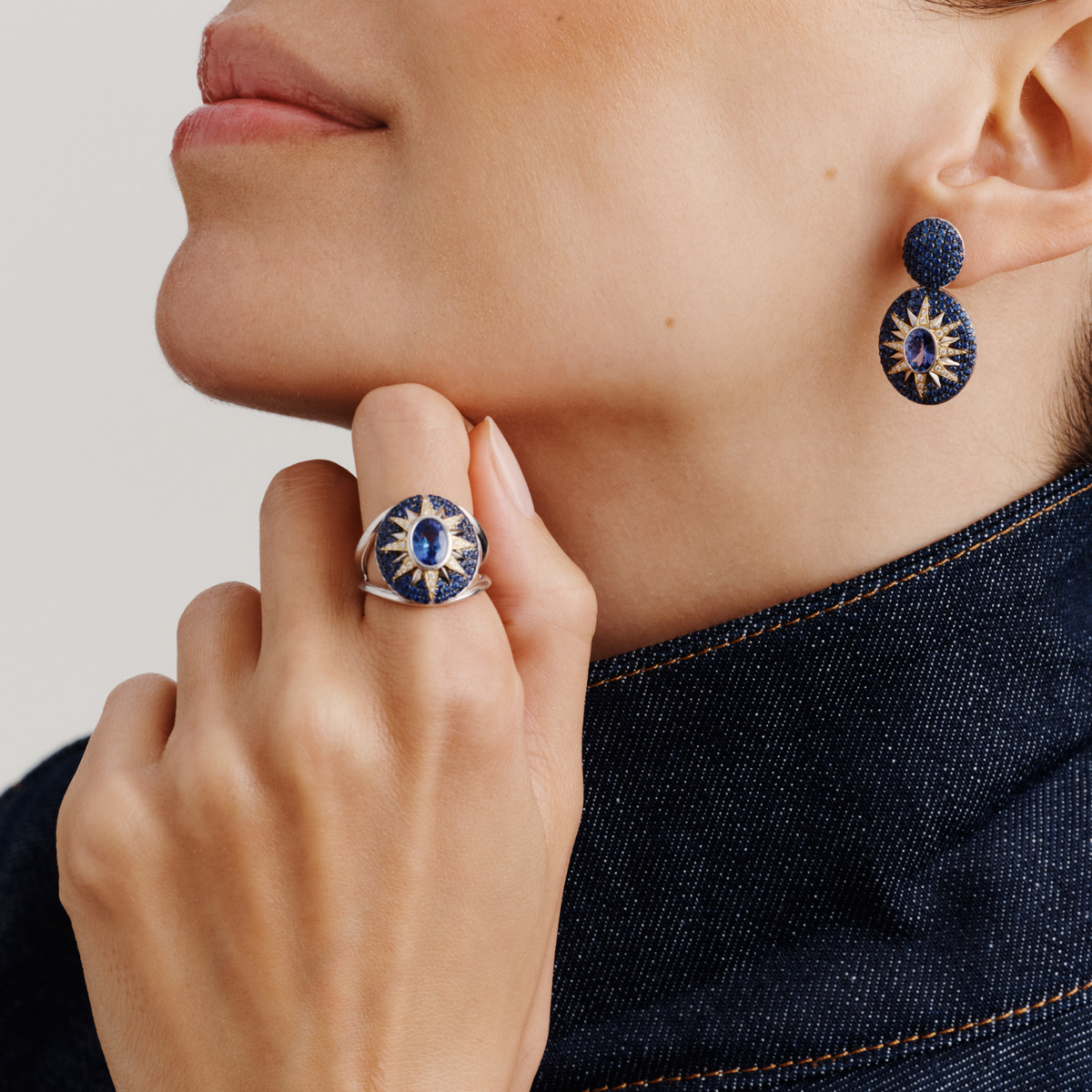
This is the piece that changes a jewellery box from functional to personal. A single, well-cut coloured stone in a design with character, worn on the right hand, gives every plain outfit a focal point. The stone is a matter of taste and complexion: a tourmaline (rubellite in red-pink, indicolite in blue), a green sapphire, a tanzanite, a blue zircon. Each has its own personality and its own price range, which allows a real choice rather than a default.
Coloured gemstone earrings
Drop or stud earrings with coloured stones bring colour to the face more directly than any other piece. Matched to a cocktail ring they form a set; worn alone they stand on their own. This is the piece most women in their forties tell us they wish they had bought earlier.
A pendant with meaning
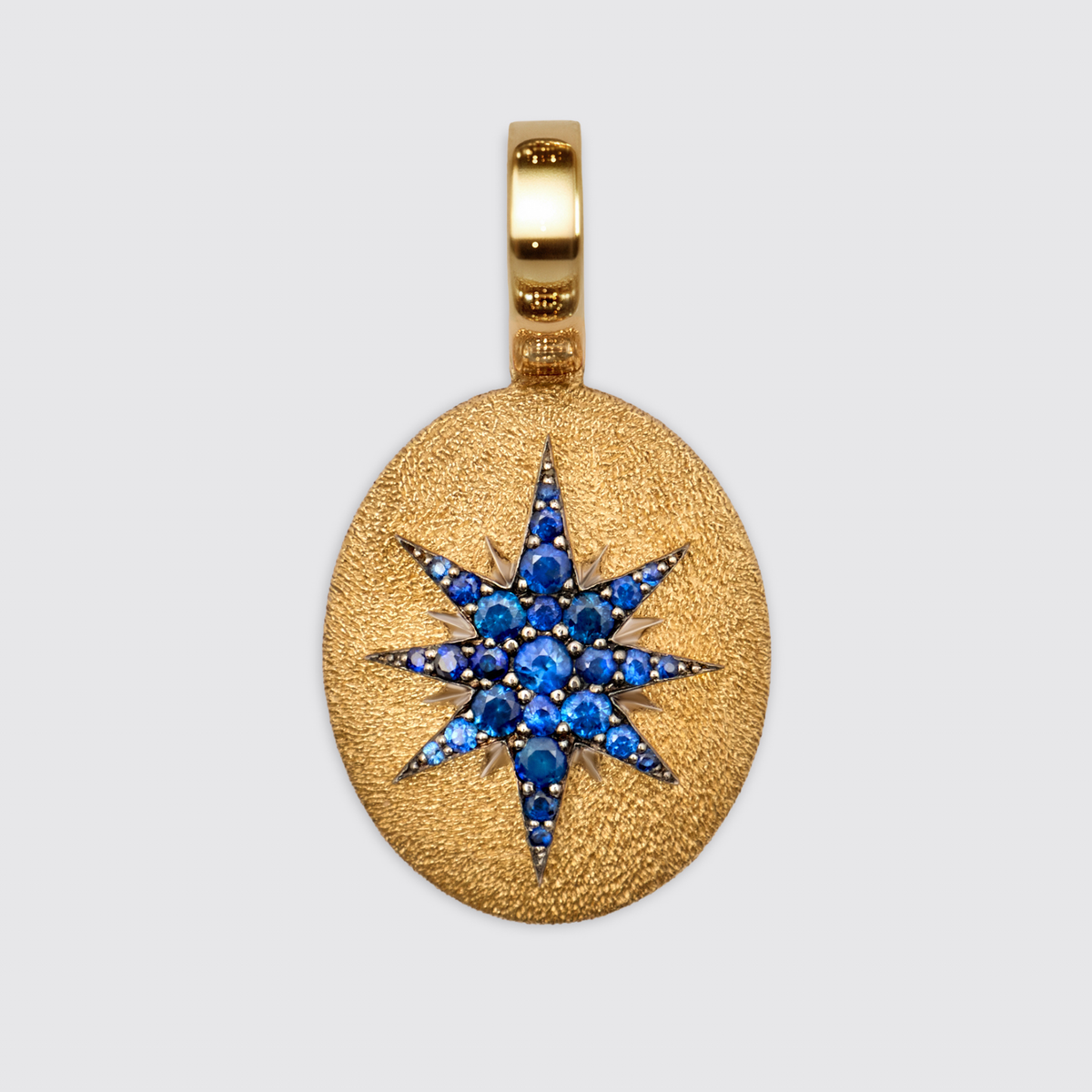
A gemstone pendant chosen for a reason, a birthstone, a colour one loves, an anniversary, worn close to the body and almost never removed. It matters less that it is spectacular than that it is genuinely one's own.
A bracelet in gold
A chain bracelet or a slim bangle in 18k gold, worn alone or stacked. It sits at the wrist where it is seen all day, so it should be comfortable, secure and quiet enough to wear with a watch.
One statement piece
By the forties, a woman is entitled to one piece that is simply extraordinary: a large cocktail ring, a bold pair of earrings, a necklace with several coloured stones. It is worn less often and enjoyed more each time. This is also the piece where design and craftsmanship matter most, because it will be looked at.
Choosing the stones: natural, and chosen with the eye
For fine jewellery, natural gemstones are the point. They are unique, they hold value and they age with the wearer. Colour is the first criterion: a stone should look beautiful in daylight and under indoor light, and should suit the complexion. Durability is the second: sapphires of every colour (blue, green, pink) are hard enough for daily rings; tourmalines and tanzanite are better suited to earrings, pendants and rings worn with a little care. Price is the third, and it is more flexible than most buyers expect: a saturated tourmaline or a fine tanzanite delivers colour that competes with far more expensive stones.
Choosing the metal: 18k gold and its colours
18k gold is the standard for fine jewellery for good reason: it is pure enough to keep its colour permanently and alloyed enough to be strong. Yellow gold is warm and classic; rose gold, alloyed with copper, is soft and modern; white gold is cool and understated but is usually rhodium-plated and needs occasional re-plating. The choice depends on skin tone, on the colour of the stones, and on the other pieces one already owns. There is no wrong answer, only a coherent one.
Questions to ask before buying
Is the metal solid 18k gold, and is it hallmarked? Are the gemstones natural, and are any treatments disclosed? Where and by whom was the piece made? Can it be resized, repaired and re-polished by the maker? Is there a design signature that makes it recognisable, or is it a generic mounting? A jeweller who answers all five without hesitation is selling fine jewellery. Hesitation on any of them is a reason to look elsewhere.
In summary
The best jewellery for women in their forties is fine jewellery bought deliberately: 18k gold, natural coloured gemstones, designs with character and a maker who stands behind them. Seven pieces cover most lives, everyday earrings, a gold chain, a cocktail ring, gemstone earrings, a pendant, a bracelet and one statement piece. Costume jewellery has its place for passing trends, but for everything worn often and meant to last, fine jewellery costs less over time and gives far more.